Campus News
An endowed Drama Therapy scholarship honors a life of creativity, compassion, and service
What are you looking for?
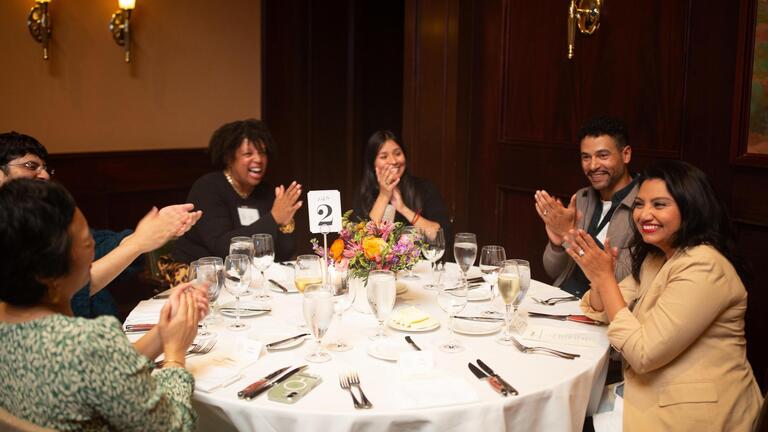
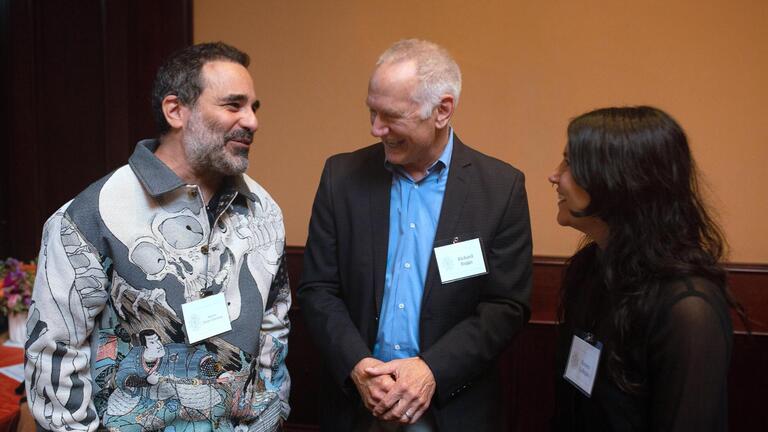
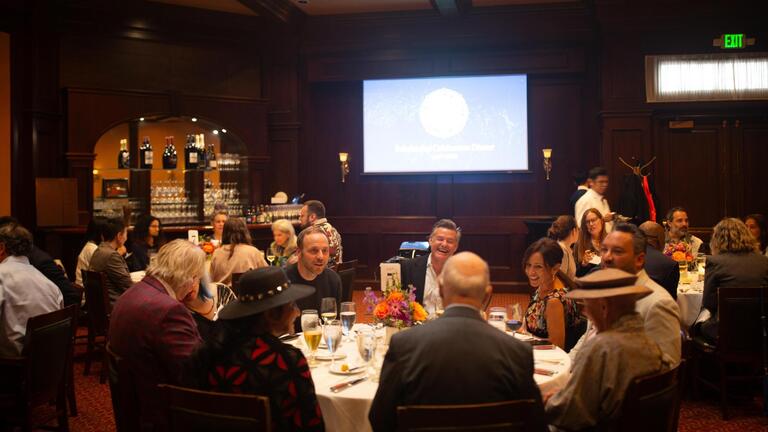
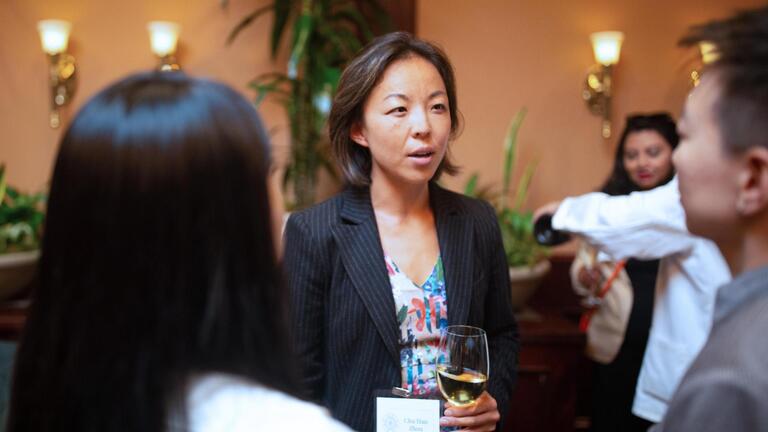
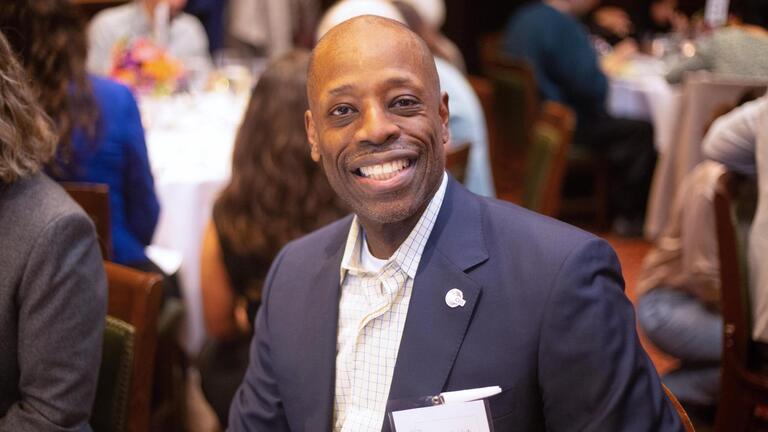
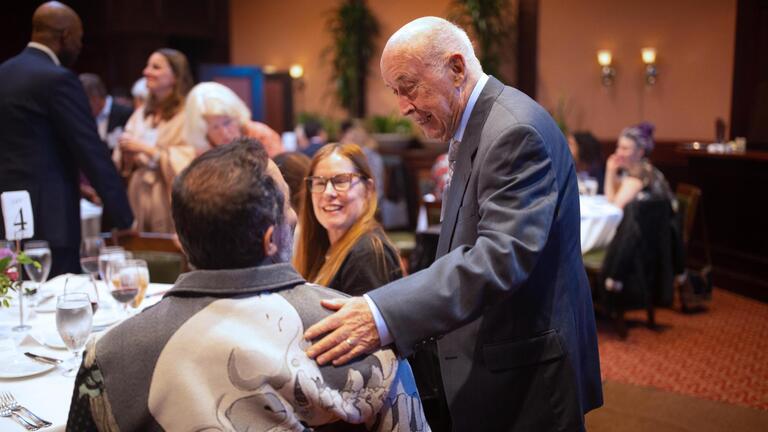
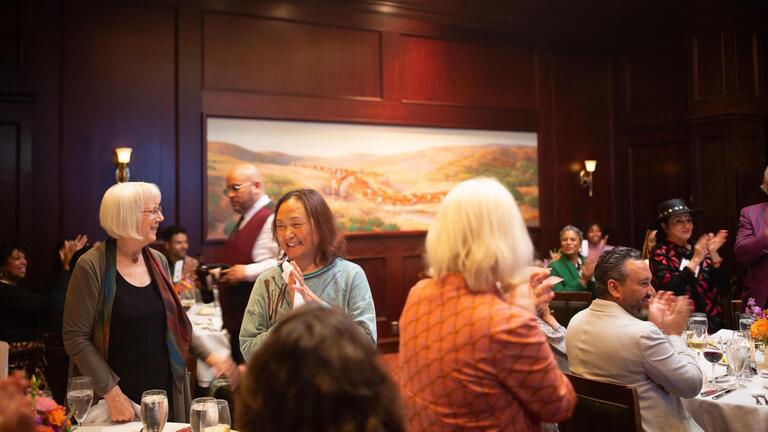
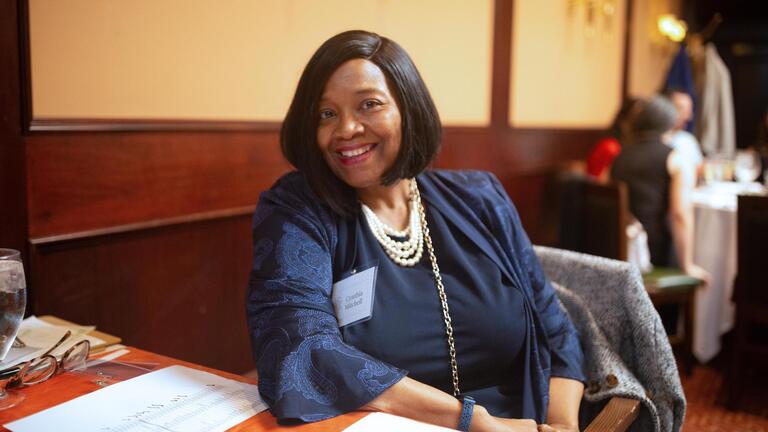
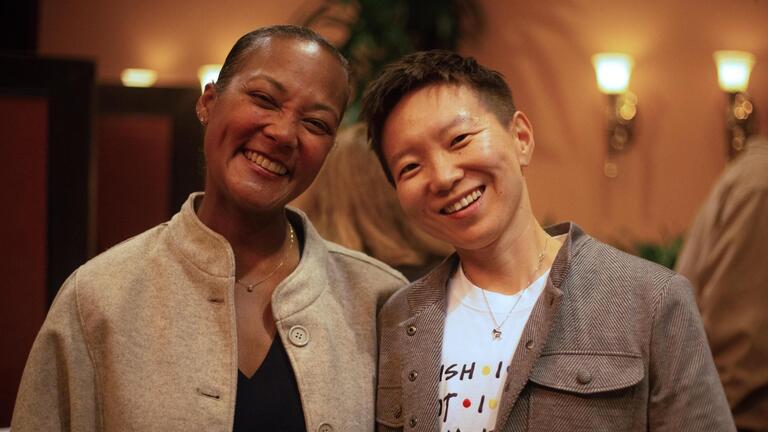
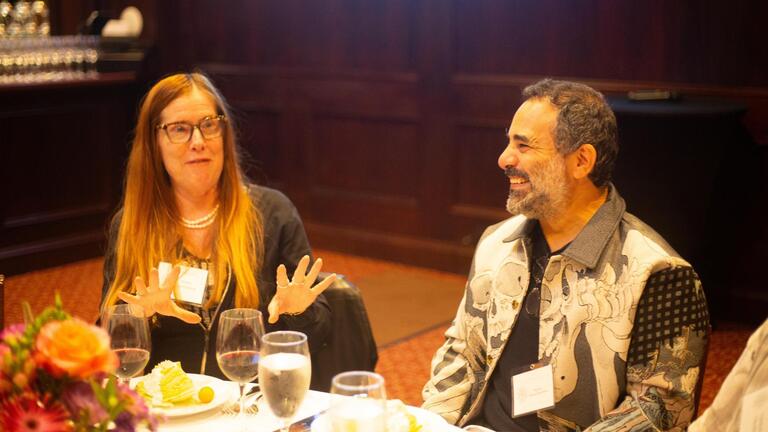
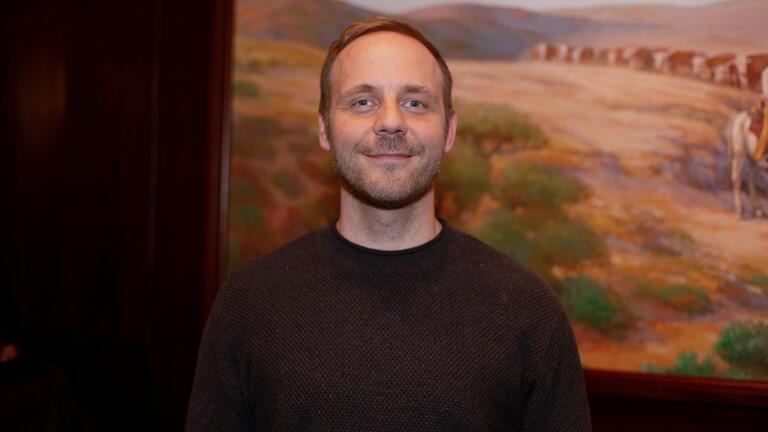
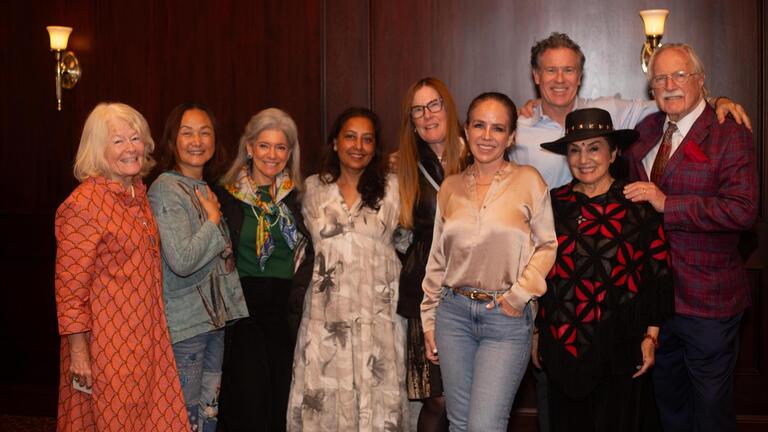
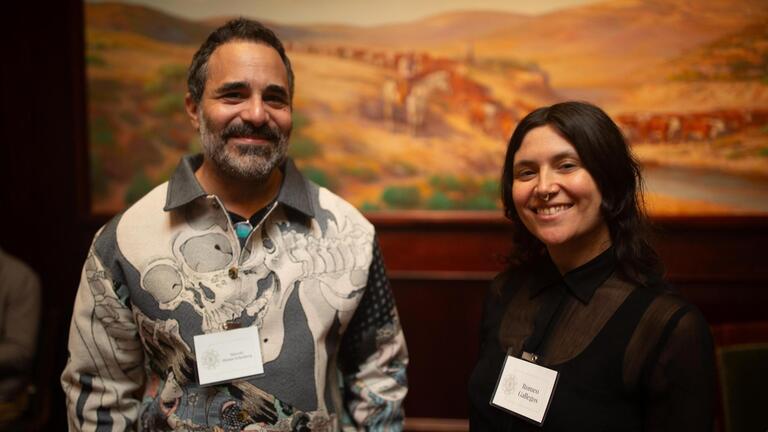
At the 2026 Scholarship Dinner, CIIS students and donors gathered to celebrate the journeys that generous giving makes possible.
At the 2026 Scholarship Celebration Dinner, students and donors gathered not simply to celebrate financial support, but to honor the winding paths, acts of generosity, and moments of intuition that make transformation possible.
Some arrived at CIIS after years in Silicon Valley, searching for a more human future. Others came through community organizing, public art, somatic healing, or lifelong questions about identity and belonging. One student found CIIS after a chance encounter at a queer ballroom event. Another first encountered CIIS in a transpersonal dream.
Across the evening, one theme surfaced again and again: the paths that became possible were rarely linear. They emerged through intuition, struggle, unexpected encounters, and acts of generosity that allowed people not only to transform their own lives, but to one day help shape the lives of others.
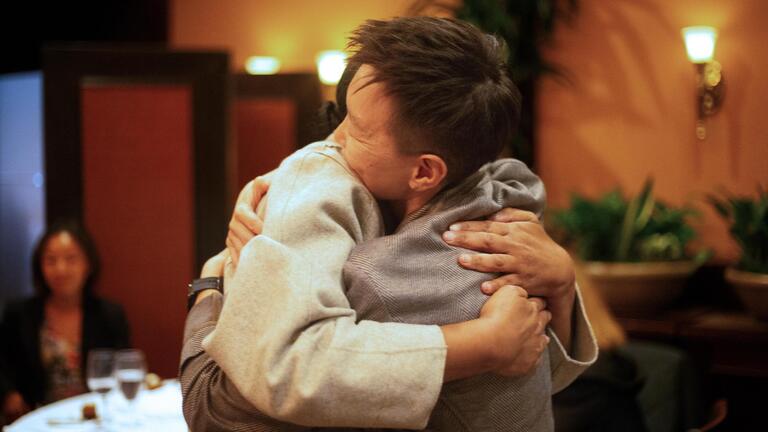
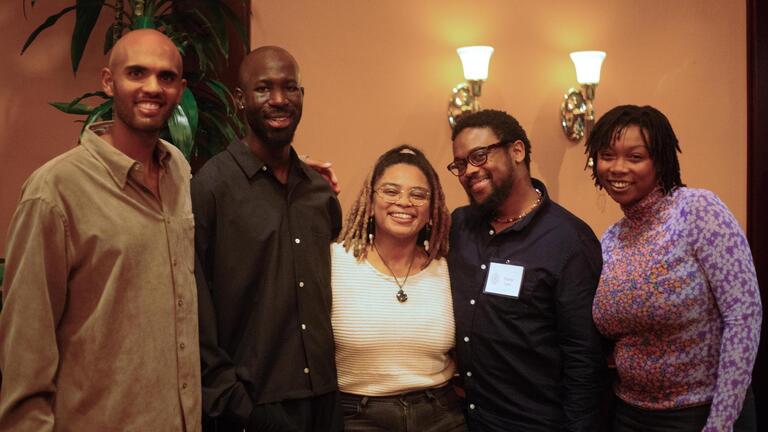
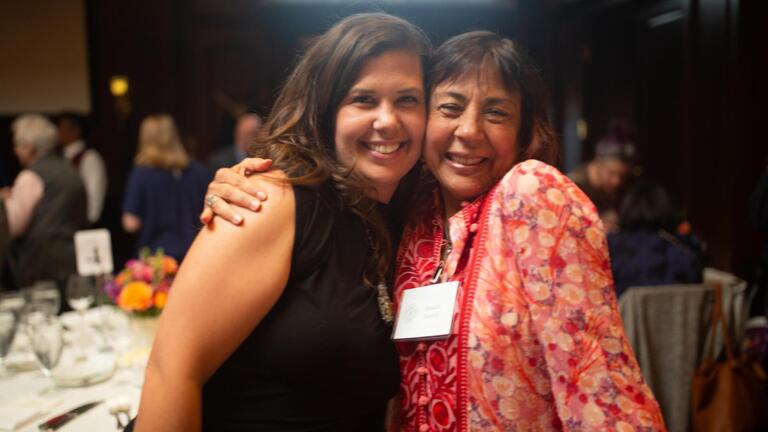
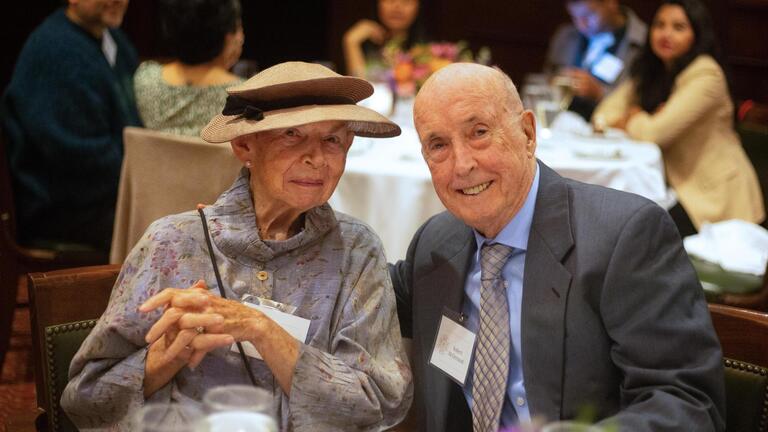
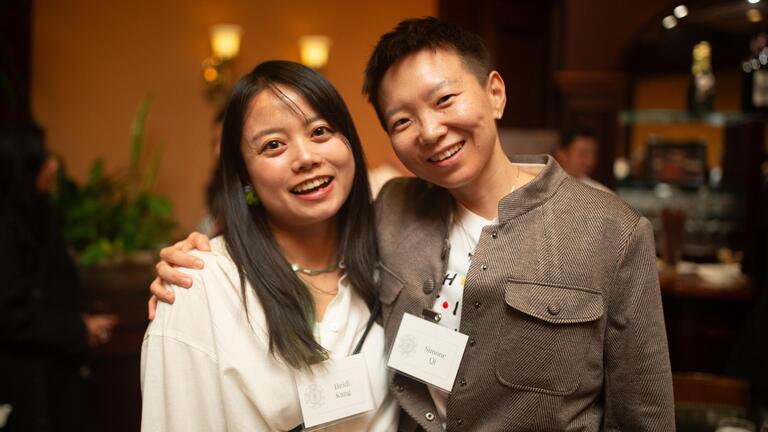
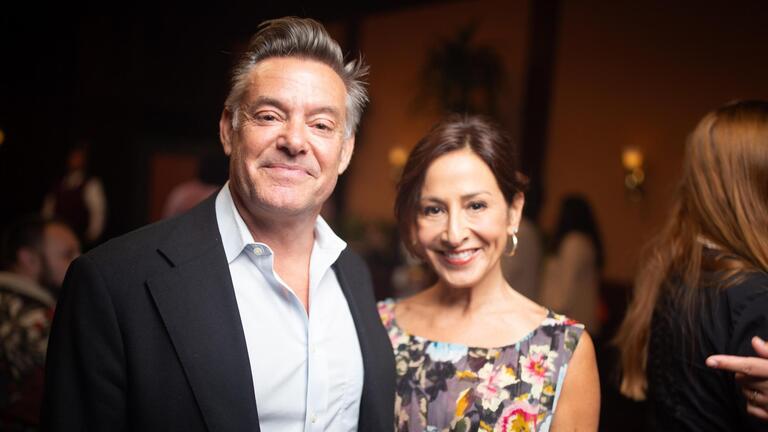
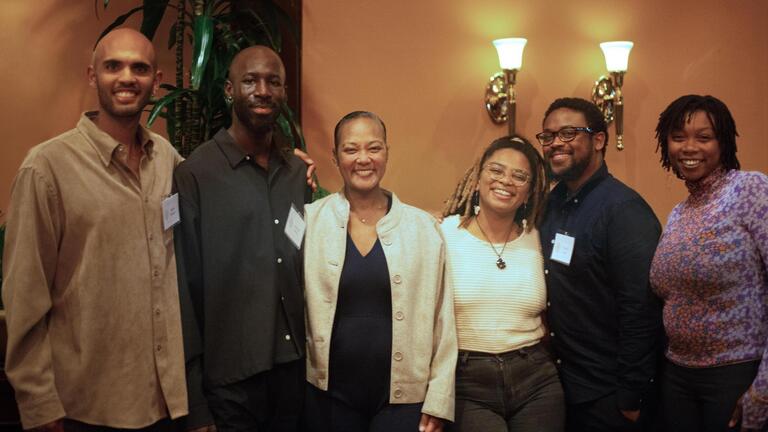
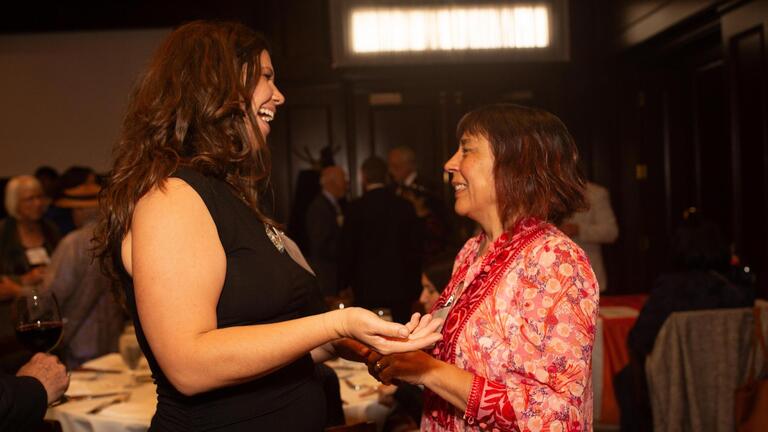
Noelle Trinidad Taylor was looking for a therapy program rooted in social justice and community care. When she learned about Community Mental Health at CIIS, she found more than an academic program—she found a place that immediately felt familiar. “I knew some people in the community who had been at CIIS in different capacities,” she reflected. “And I liked them and their vibe. I thought, if this place can produce these amazing people, maybe it’s a good place to go.” That instinct stayed with her during an information session. “These are my people,” she remembered thinking.
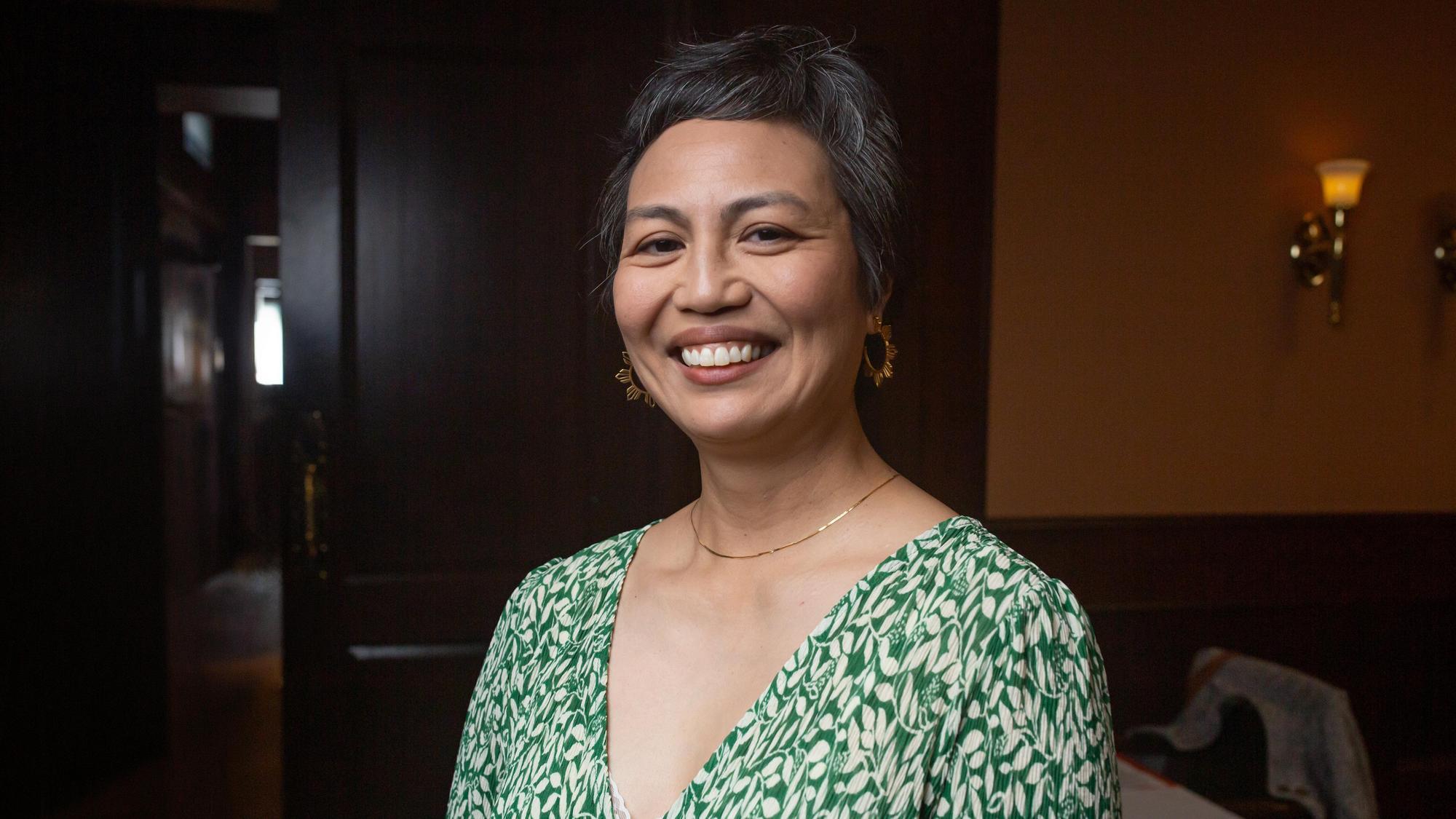
I'm building my network of healers and also just lifelong friends who want the same thing for the world.
Noelle Trinidad Taylor, Community Mental Health
Raised in a family committed to service, Noelle spent much of her childhood quietly observing people and their inner worlds — a curiosity that now guides her path toward becoming a therapist. Support from the Bodies of Culture Fellowship has helped move that calling closer to reality, as have the supportive relationships she has forged across the University. “What’s been most meaningful is my cohort,” she said. “I’m building my network of healers and also lifelong friends who want the same thing for the world.”
Long before arriving at CIIS, Laila Islam was already thinking deeply about healing. Working in museums and public art spaces, she described her community-based work as “radical healing” — creative practices designed to help people reconnect with themselves and their communities.
Over time, she realized she wanted to develop the clinical tools to support people more directly. “I became really interested in the ways systemic oppression causes trauma,” she explained. “I wanted a stronger foundation to offer therapeutic experiences for the communities I care most about serving.” That desire ultimately led her to the Counseling Psychology program with a concentration in Expressive Arts Therapy, where art, psychology, and social transformation converge.
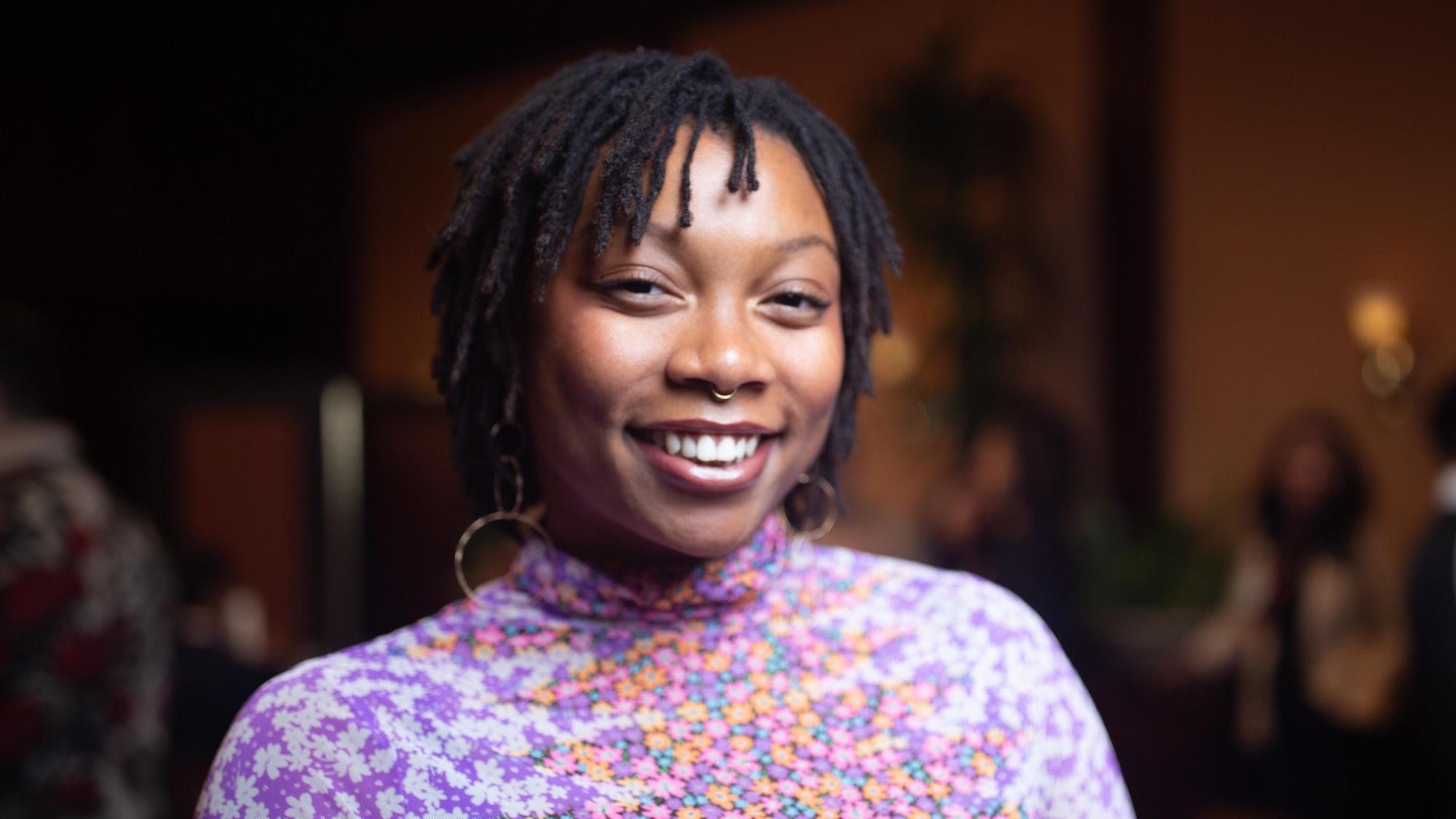
I wanted a stronger foundation to offer therapeutic experiences for the communities I care most about serving.
Laila Islam, Expressive Arts Therapy
Receiving the Presidential Scholarship and joining the Emerging Black Clinicians Fellowship affirmed that she was exactly where she needed to be. “The fellowship gave me my first real space to explore this work alongside people with similar passions and missions,” she said. “I felt deeply affirmed.” Reflecting on her experience at CIIS, Laila shared, “I feel empowered to take my passions in visual art, music, and drama and bring them together in a discipline that supports others.”
Before arriving at CIIS, Ozlem Akkurt spent years working across technology startups, artificial intelligence, public policy, and international development. Yet beneath the momentum of professional success, deeper questions continued to surface. “What is the role of the human being within these systems?” she asked herself. “And how do we create structures that actually serve people?” These questions eventually led her beyond the world of innovation and into spiritual practice, meditation, and psychedelic therapy.
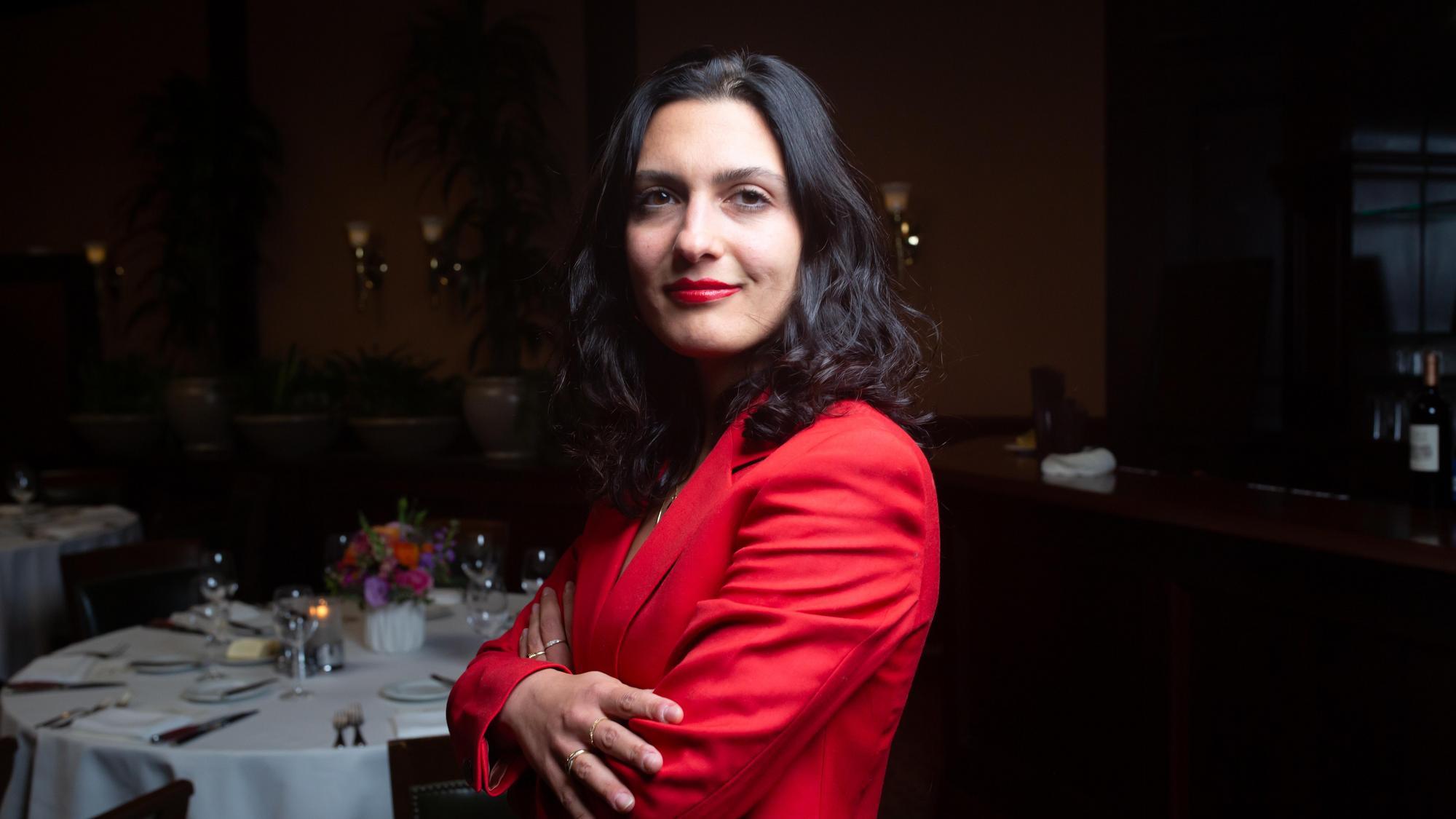
As I got closer to who I am, I realized I was becoming a better leader in my own job.
Ozlem Akkurt, Center for Psychedelic Therapies and Research
During a trip to Nepal in 2023, Ozlem unexpectedly found herself participating in a weeklong meditation retreat with a Buddhist monk, a turning point that gradually transformed the direction of her life. “As I got closer to who I am,” she reflected, “I realized I was becoming a better leader in my own job.”
Now a student in the Certificate in Psychedelic-Assisted Therapies and Research (CPTR) program, Ozlem is helping bridge the worlds of technology, healing, consciousness, and ethical leadership. “When you bring people from completely different disciplines together around the same questions, something organic happens,” she said. “There’s a kind of collaboration and synergy that I never experienced in the startup world.”
When Simone Qi learned she had received the Samuel B. Hanser Scholarship, she was sitting in a Costco parking lot waiting for a tire repair. On what had otherwise been a difficult day, the Admissions email arrived. “I felt my tears welling up,” Simone recalled. “I couldn’t believe that I was accepted for who I am.” Now a first-year student in the Somatic Psychology program, Simone carries the scholarship not simply as financial support, but as an affirmation of identity, belonging, and purpose.
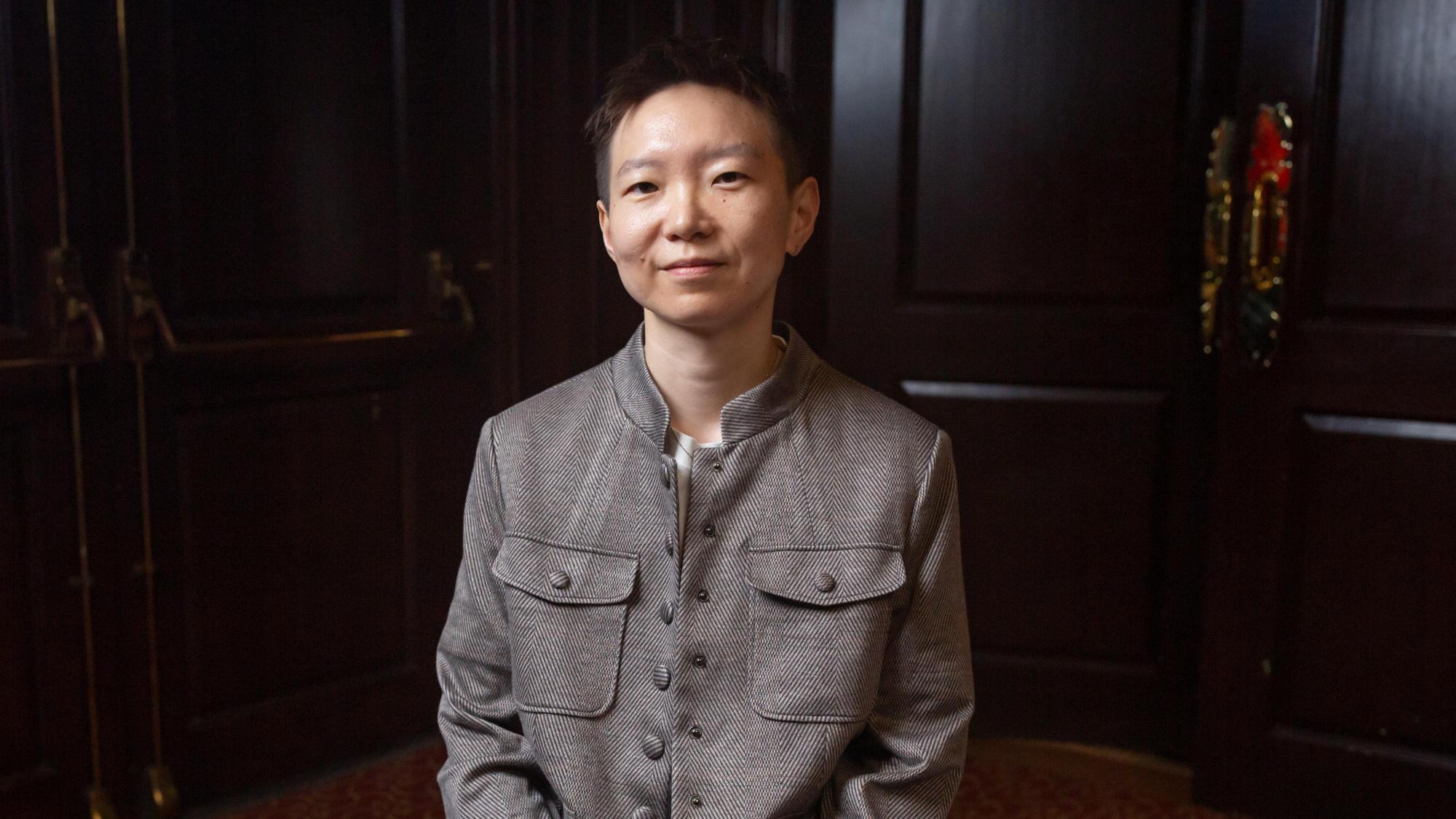
I couldn’t believe that I was accepted for who I am.
Simone Qi, Somatic Psychology
Before coming to CIIS, she operated a fitness studio in China designed to support queer women in exploring strength, embodiment, and self-confidence. Over the course of this work, she began encountering deeper questions related to loneliness, identity, and emotional healing.
“When people brought me those questions, I froze,” she shared. “I realized I needed deeper training.” That realization ultimately led her to CIIS and to the study of somatic psychology, where healing is approached through the whole body, relationship, and lived experience.
Looking toward the future, Simone hopes to create spaces where LGBTQIA+ youth can ask questions safely, heal openly, and discover themselves at their own pace.
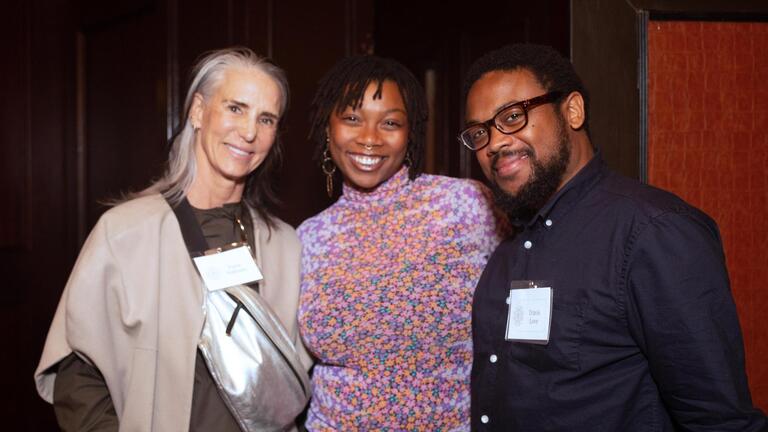
Not every path to CIIS begins in a classroom or academic setting. For Travis Love, a first-year Drama Therapy student, it began in San Francisco’s queer ballroom community. After working in public health and family planning, Travis found himself searching for something different. “I was ready for a new change,” he reflected during the Scholarship Celebration Dinner.
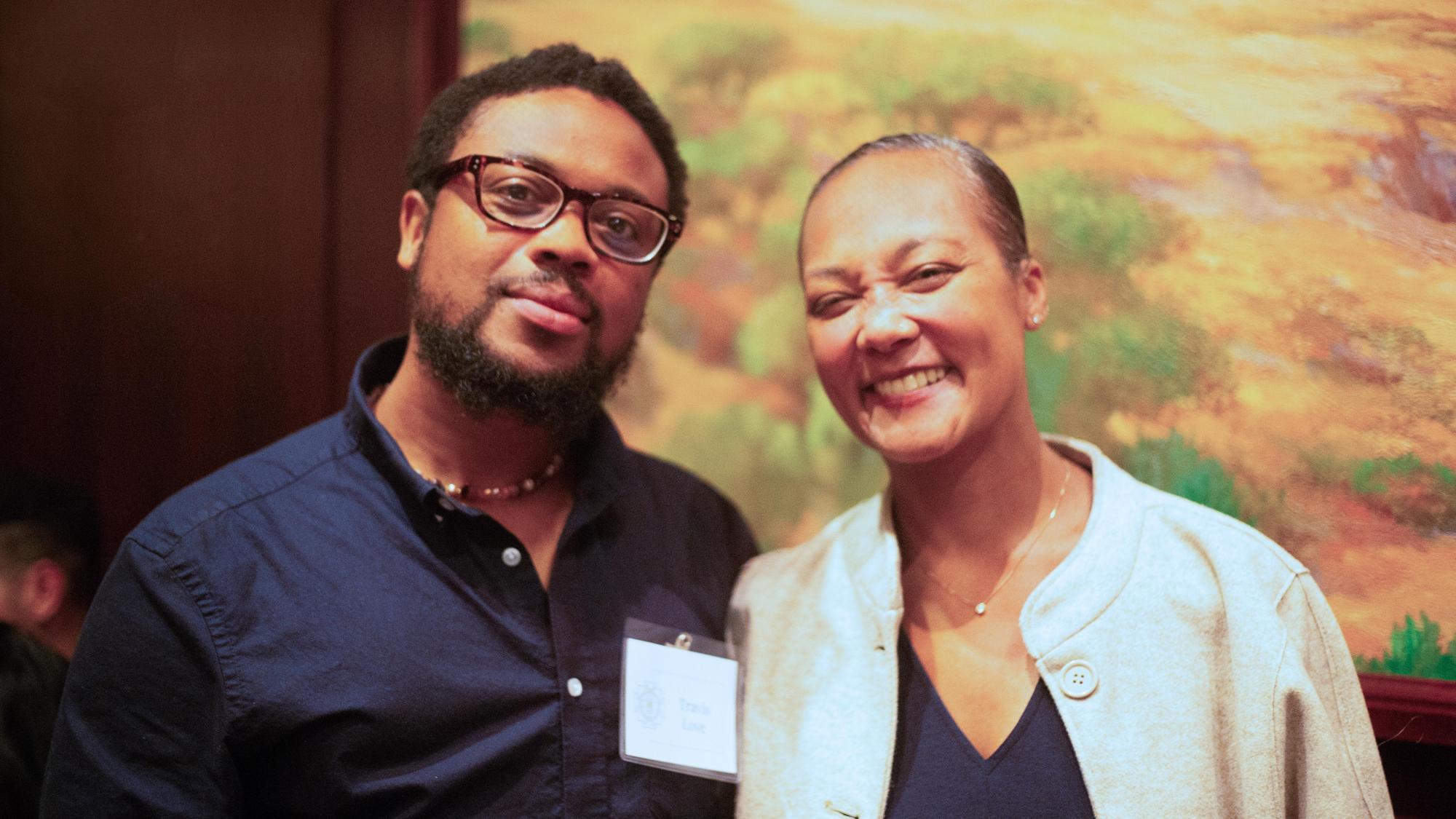
Sometimes it’s really important to nurture community and an ecosystem of care to believe that things can be changed.
Travis Love, Drama Therapy
Then, at a queer ballroom event, he noticed a table with a pamphlet that simply read Drama Therapy. The next day, he attended a CIIS open house. Although the application deadline had technically passed, the submission window had recently been extended. “There’s always next year,” someone told him. “And I was like, ‘No,’” Travis said. “‘It’s either this year or not at all!’” He committed himself to the application, and the admissions committee agreed: his passion was undeniable.
Now studying Drama Therapy at CIIS, Travis described his experience as a process of learning about healing and transformation. “Sometimes it’s really important to nurture community and an ecosystem of care,” he reflected, “to believe that things can be changed.”
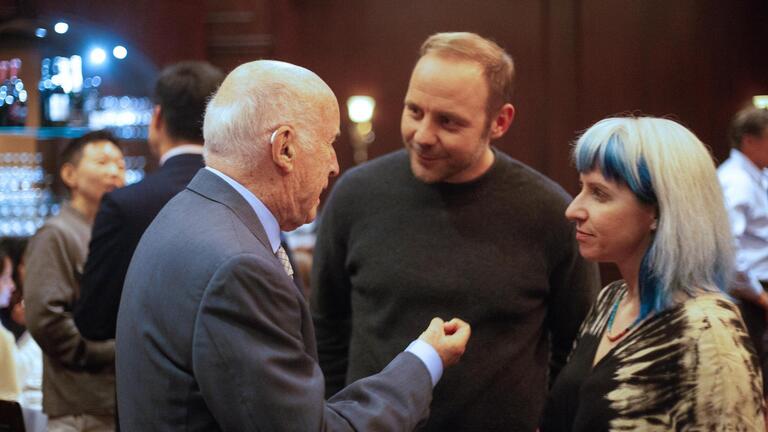
Throughout the evening, one thing became clear: for many CIIS donors, giving is deeply personal. Again and again, donors spoke of transformation, belonging, and gratitude for a place that altered the course of their lives.
For CIIS Board Chair Michael Pinto and his wife, Meili Pinto, that connection stretches back to 1993, when they first entered CIIS as doctoral students. During the evening, the couple announced the creation of a $1 million endowed scholarship fund alongside a separate endowed arts scholarship established in memory of Meili’s late sister, Carol Ann. Reflecting on his first arrival at CIIS, Michael remembered walking through the university’s front doors and immediately feeling something unexpected. “I felt like I had come home,” he said. For Meili, the journey began even earlier — in a dream.
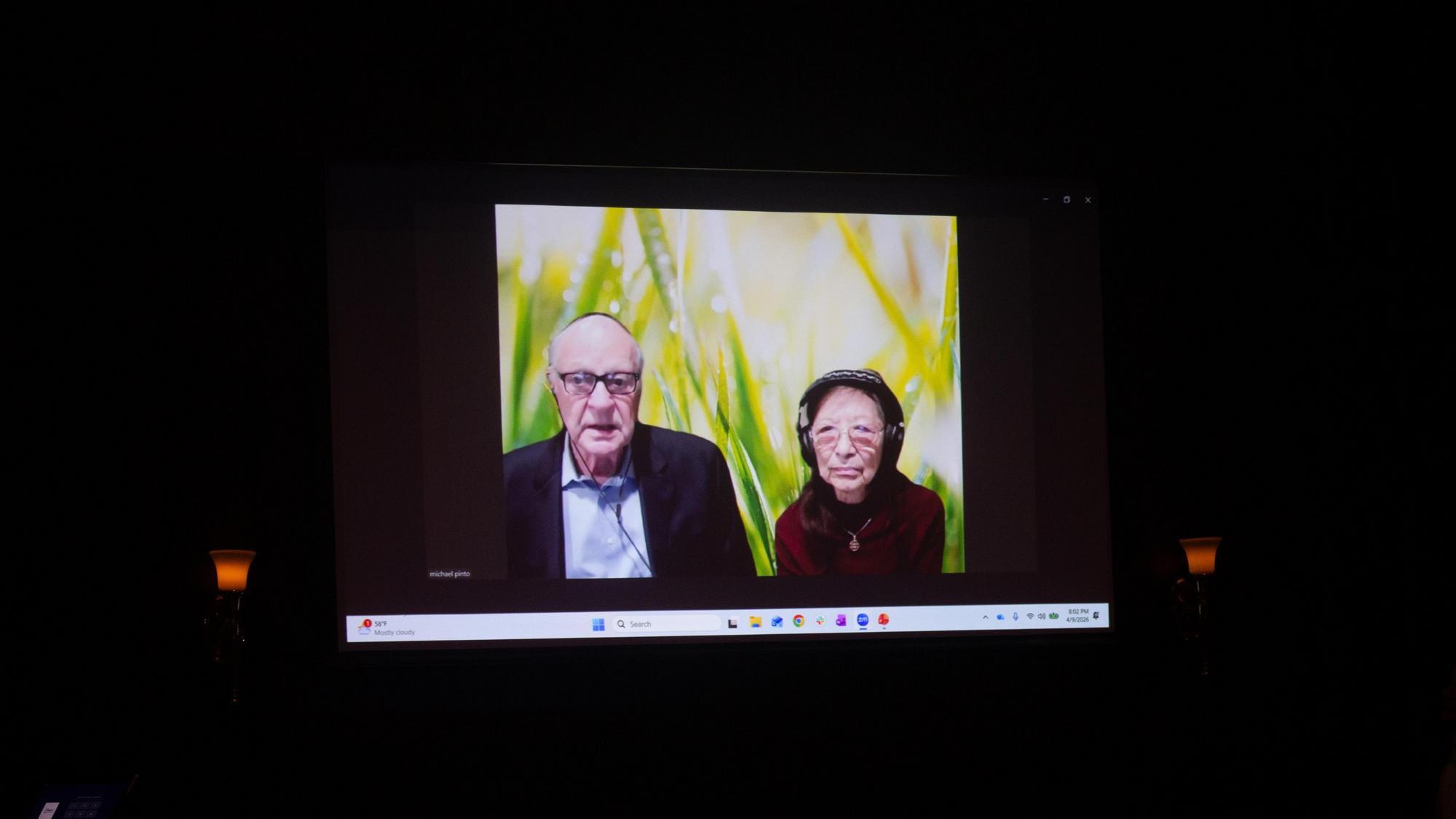
Trustee Vaishali Chadha described having what she called a “full body experience,” hearing a voice tell her, You need to go to CIIS. “My success has come from staying close to myself,” she told the audience. “And I think CIIS does an amazing job of teaching us to know our inner self.”
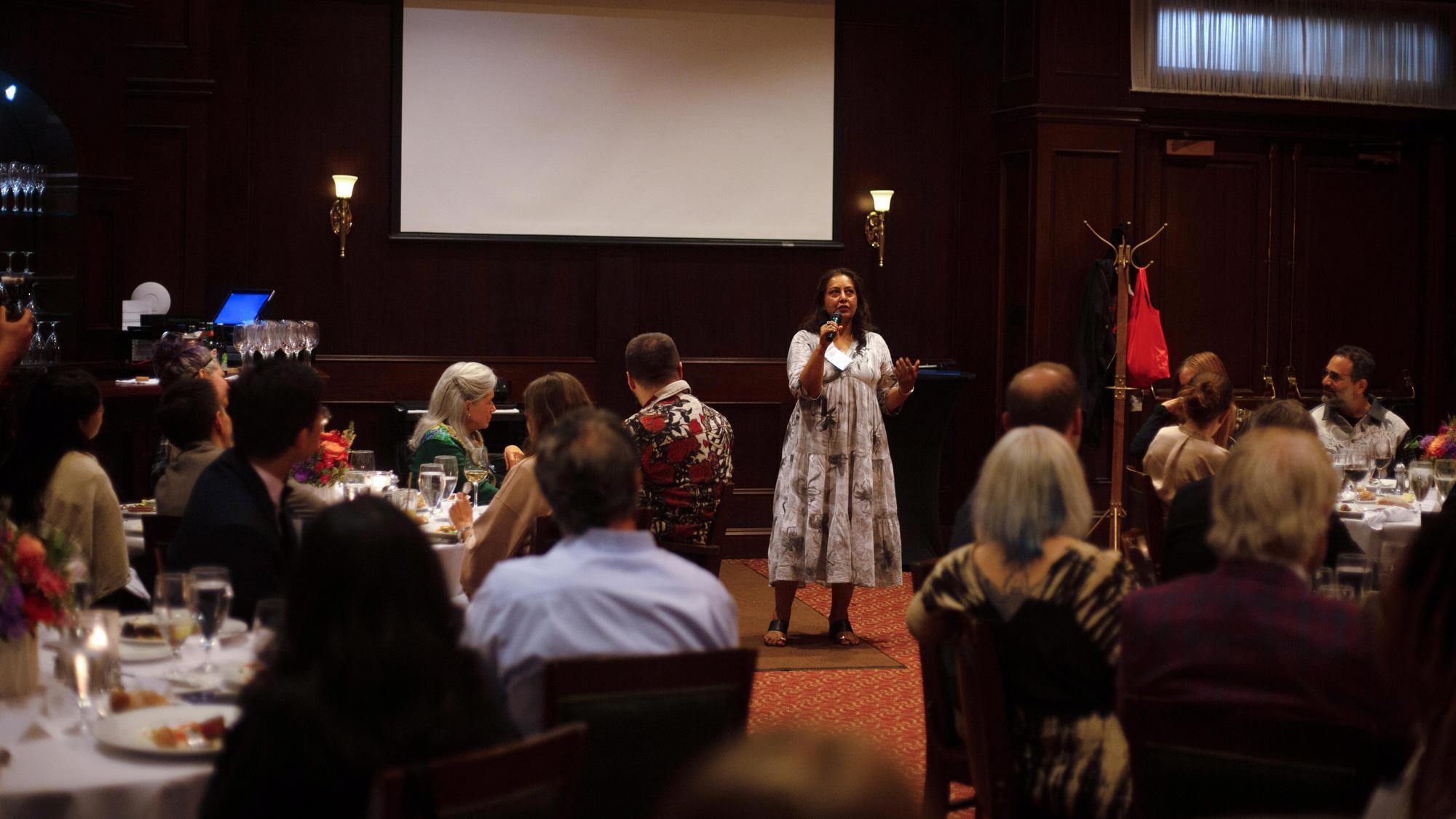
As the evening drew to a close, the stories shared by students and donors began converging into something larger than individual journeys alone. Different paths, backgrounds, and generations had all arrived at the same realization: transformation rarely happens in isolation.
For first-year Philosophy, Cosmology, and Consciousness Ph.D. student Neil Pettijohn, that realization sits at the heart of the CIIS experience itself. Quoting Carl Jung’s Liber Novus, he described the work of CIIS as “giving birth to the old in a new time.”
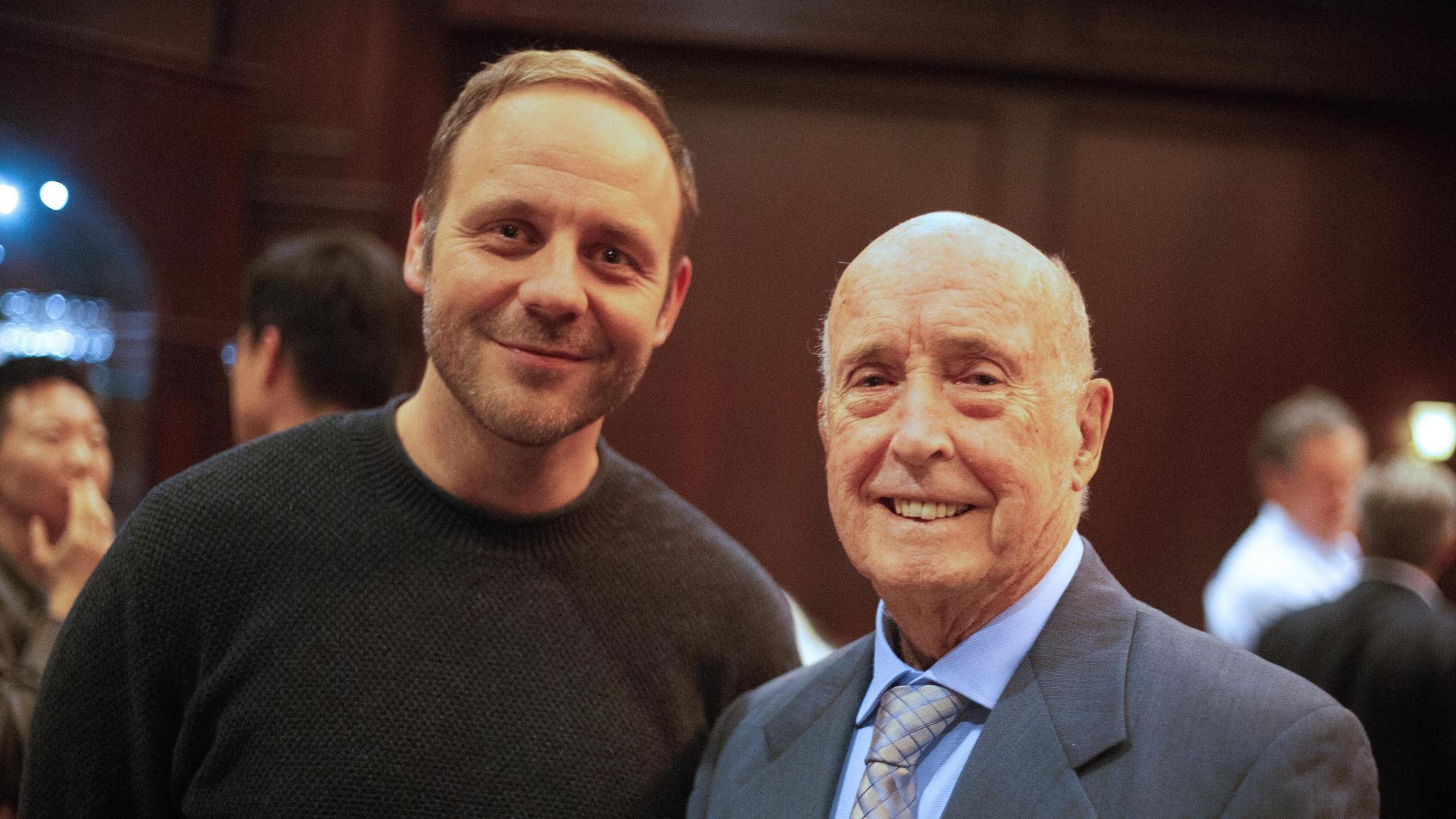
Throughout the evening, students spoke about finding language for experiences they had carried for years, while donors reflected on intuition, belonging, and the desire to create opportunities for future generations. Together, they are a reflection of what makes CIIS distinct: a community rooted in the shared belief that healing, growth, and transformation become possible when people choose to unite in common purpose.
For many students, scholarships made that becoming possible. For many donors, giving became a way of ensuring that others would continue to encounter the same possibility of transformation, connection, and purpose that once changed their own lives.
Near the end of the evening, Simone Qi offered perhaps the simplest articulation of the spirit that carried through the room: “We all are together,” she said. “We are one in this world.”

Integral education for therapists, thought leaders, creatives, and activists since 1968.
An endowed Drama Therapy scholarship honors a life of creativity, compassion, and service

Three CIIS students share the honest truth about what awaits you in graduate school — and why the surprises might be your greatest teachers.
CIIS' Clinical Psychology Psy.D. isn't for everyone — it's for a specific kind of thinker, clinician, and person. Here's how to tell.