
Campus News
Beloved Community is built with ongoing practices that bring it fully to life.
What are you looking for?
A CIIS graduate degree in Anthropology and Social Change opens doors in academia, nonprofits, communications, and beyond.
Many applicants ask us what graduates of our Anthropology and Social Change department have done after finishing their degree. It’s a great question and one that we encourage students to consider before and during their program, not just immediately before graduation. This mindset can help students focus on both what the degree can do for them over the course of their life, as well as what they can do for others as scholars and change-makers.
Our programs our focused on developing critical thinking skills, in-depth research skills, and a wide range of communication skills, whether written, spoken, broadcast, or otherwise. We support students in diving deeper into history and theory, knowing that the intellectual and practical skills gained through our programs enable students to address complex societal issues through multiple perspectives.
Click on each career path to explore it in more depth.
Teaching: Teach undergraduate or graduate courses across anthropology and related fields
Research: Scholarly inquiry shared through publications and conference presentations
Mentorship: Supporting the next generation of scholars and changemakers
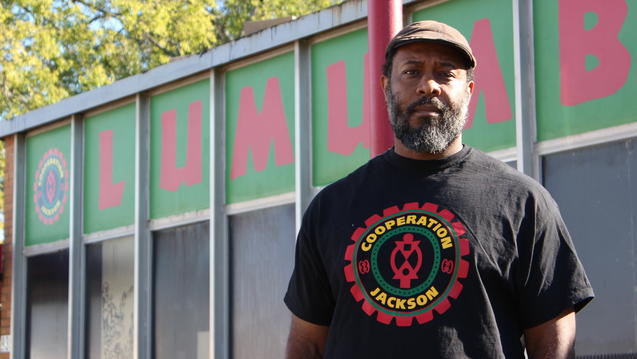
Podcasting and broadcasting: Producing media that amplifies underrepresented voices and perspectives
Writing and publishing: Crafting narratives that bridge academic insight and public understanding
Advocacy and organizing: Mobilizing communities around social and ecological change
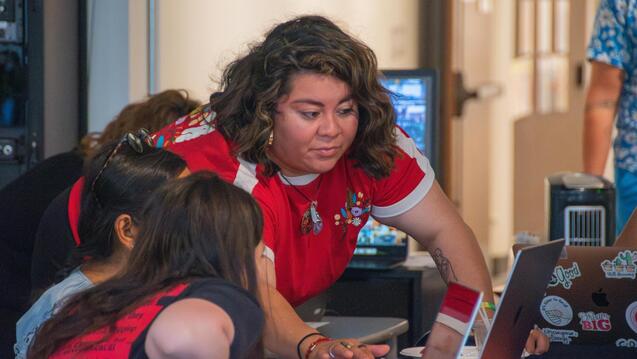
Cultural competency: Helping organizations navigate diverse cultural contexts with care
Racial and disability justice: Advising institutions on equitable practices and structural change
Cross-cultural communications: Supporting community-based knowledge sharing across difference
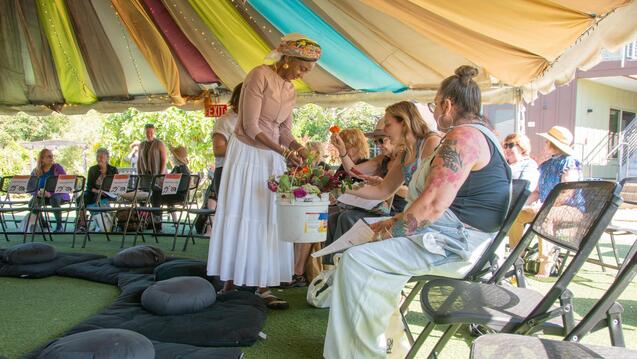
Museums and archives: Preserving and interpreting cultural practices, artifacts, and traditions
Cultural preservation and land advocacy: Connecting heritage work to the protection of sacred places and Indigenous lands
Campaign research: Evidence-based work in support of social movements and advocacy efforts
Editing and editorial work: Shaping how communities and organizations communicate their missions
Program and policy support: Addressing issues such as migration, human rights, and ecological justice
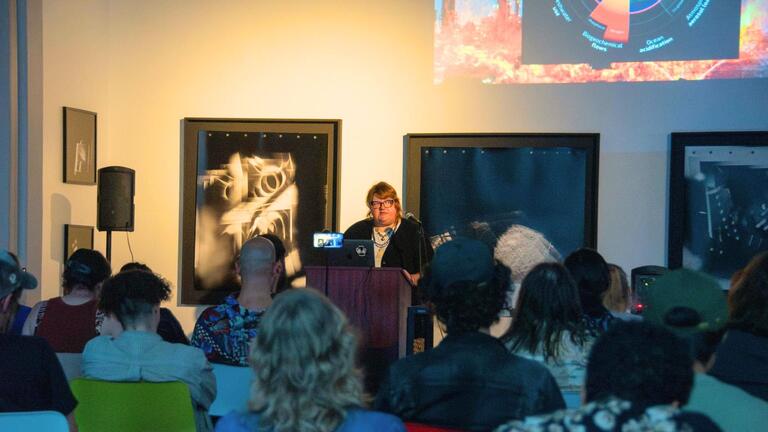
Many of our Ph.D. students go on to work in academia. CIIS doctoral graduates are well prepared when they enter this job market, since our facilitation and presentation assignments, thesis writing, and comprehensive exams help students grow their skills as well as their knowledge.
Graduates have made their careers at colleges and universities across the U.S., teaching and researching in their specialized fields, which include anthropology, Asian American studies, and Disability studies. As faculty members and instructors, they teach a wide range of undergraduate and graduate courses, from introductory classes to advanced topics. Careers in higher education can offer the chance to focus on teaching and mentorship at some institutions, while other positions can focus more on scholarly research and sharing this knowledge through publications and conference presentations.
In our master’s program, we offer skills classes in organizing and media such as podcast development, video production, organizing for social justice, and publishing, taught by professionals in the field.
The combination of practical skills and deep understanding of local cultures makes graduates skilled and flexible candidates for an even wider array of jobs in communications, education, advocacy, and more.
Graduates have also continued their work in independent private sector work in consulting and teaching, and writing and editing support, in areas such as alternative health care, cultural competency and racial justice, and disability justice.
These careers can allow graduates to build the work landscapes that they want to see while also affording flexibility and focus on preferred projects. A graduate degree in Anthropology and Social Change can be a valuable asset in the private sector, offering clients the graduate’s expertise in cross-cultural communication and community-based knowledge.
Another field where a graduate degree in Anthropology and Social Change may be highly relevant is working with groups and institutions promoting cultural heritage and contemporary advocacy.
Community-focused anthropologists are well suited to work in institutions like museums, archives, and cultural centers, where they can help preserve and interpret the cultural practices, artifacts, and traditions of different communities. This work may involve connecting cultural preservation to cultural advocacy for the protection of sacred places or the return of Indigenous lands.
Both our M.A. and Ph.D. students have also gone on to careers at nonprofits or research-based institutions. There, they provide research and writing support for communities and social movements through campaign research, editing and editorial work, and programmatic support.
Skills developed in ethnographic methodologies and qualitative data analysis help students jump right in to work on issues such as ecological destruction, migration, human rights, or economic justice. These institutes offer opportunities to influence policy decisions and provide evidence-based recommendations on complex socio-cultural issues.
An advanced degree from CIIS provides the opportunity to discover new areas of inquiry and develop new skills, many of which are in high demand across a variety of industries and positions. Our students’ training in community-based ethnography, socio-cultural analysis, and critical theory, alongside organizing and media skills, equips them with the tools to address complex socio-cultural challenges and advocate for the change we need to bring about better worlds.

Renowned for its focus on activist research, anarchist anthropology, and social justice.
Beloved Community is built with ongoing practices that bring it fully to life.
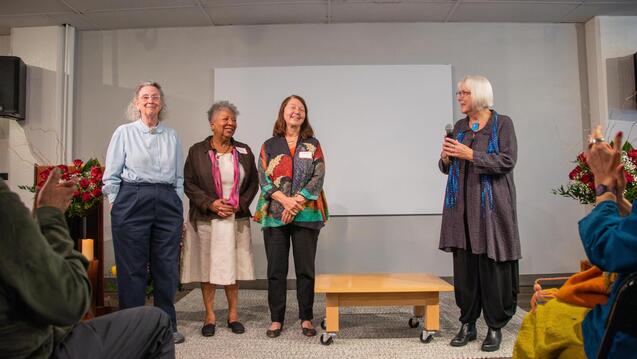
CIIS' Center for Psychedelic Therapies and Research celebrated its tenth anniversary with the people who built it and announced a new endowed scholarship.
CIIS' Blue Sky Leaders program is built around a wager: that visionary leadership can be done with care, complexity, and contemplative depth.