Learning Through the Body: Inside CIIS' M.A. in Somatic Psychology
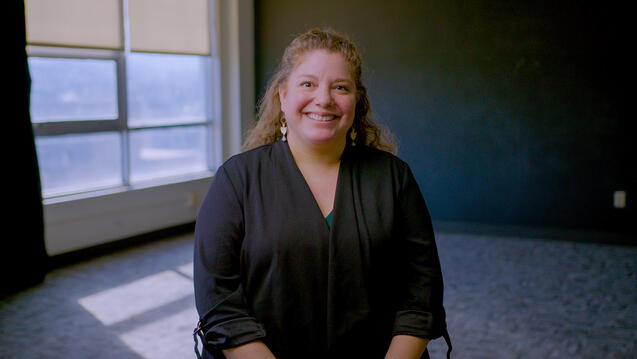
Associate Professor Helena Vissing describes a program where students don't just study somatic psychology — they practice it from day one.
September 22, 2026
A lot of therapists come to somatic work after the fact. They complete a degree, earn their license, and then seek out somatic training separately. The M.A. in Somatic Psychology at CIIS is built for people who don't want to wait. "People who know that they want their full education to be immersed in somatic practice and embodied pedagogy can start from the beginning," says Helena Vissing, associate professor and core faculty in the program, "and have that full foundation throughout their coursework."
The Somatic Psychology concentration is one of five within CIIS' Master's in Counseling Psychology. It is in-person, and spans three years. Graduates are eligible for licensure as Marriage and Family Therapists (LMFT) or Licensed Professional Clinical Counselors (LPCC). But what sets it apart from other licensure-track programs is not the credential — it's the pedagogy.
The program rests on three pillars: academic coursework, clinical practicum, and a requirement that students do their own personal therapy while enrolled. Vissing sees these as inseparable. The transformation students undergo happens precisely because all three are working together, reinforcing and challenging one another across three years of sustained commitment.
It's not a quick fix to become a somatic therapist, but it can be a calling for a lifelong practice. Helena Vissing, Associate Professor, Counseling Psychology, Somatic Psychology
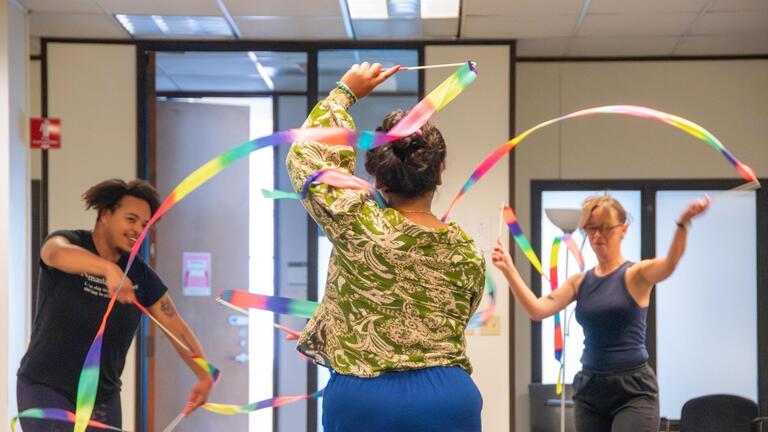
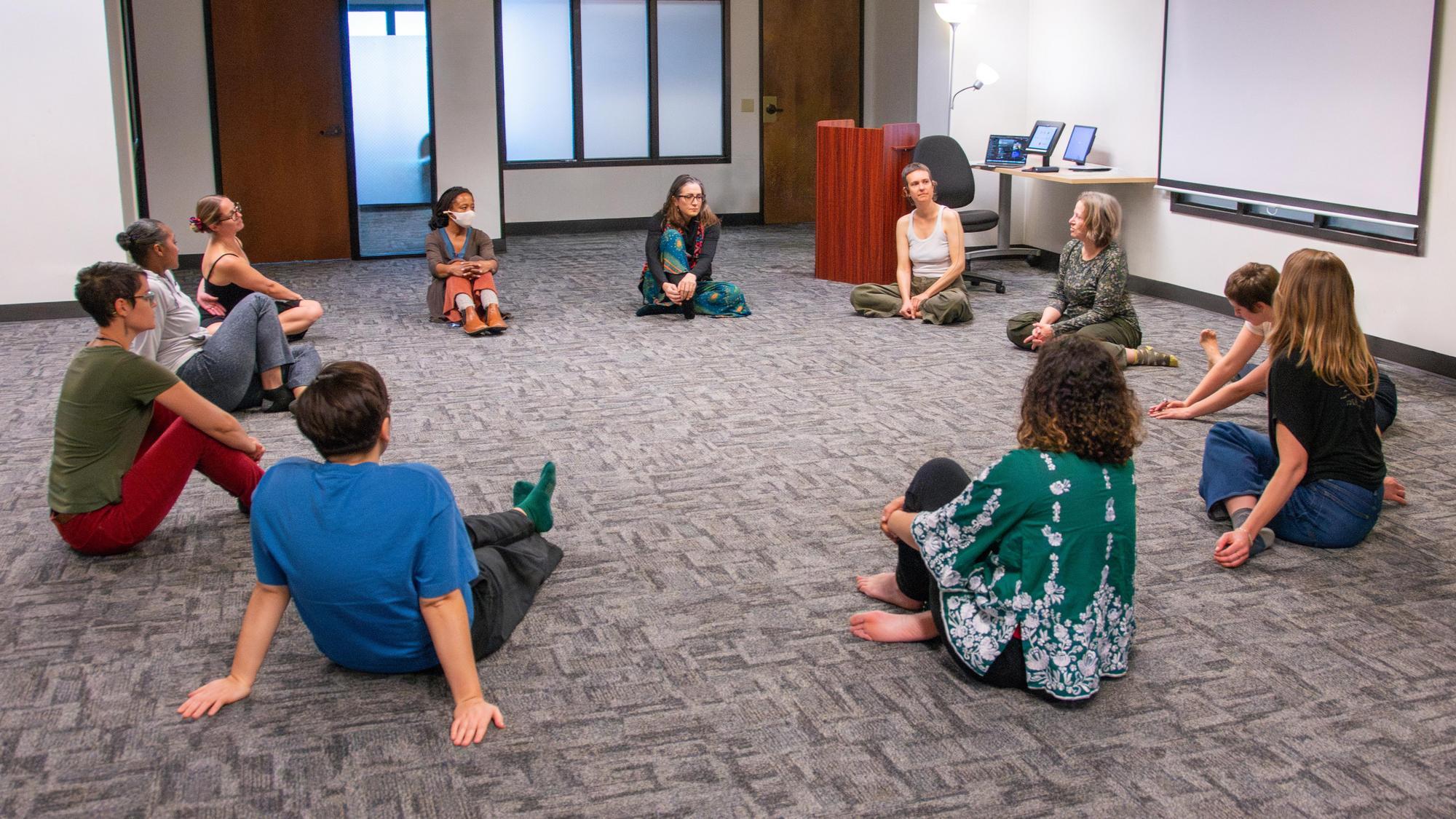
The classroom itself reflects the same level of intentional integration. Students sit on pillows, move, take breaks, and work through experiential exercises woven into the academic material. "We teach somatic psychology and talk about somatic practices," Vissing explains. "And then we also do what we teach while we're teaching it." She has taught in more traditional counseling programs and says the difference is significant. Learning in an embodied way, she finds, produces a more expansive educational experience than lecture alone.
Students often describe the program as intense — a word Vissing embraces. "It is intense and it should be," she says, "because you would not want to go through a program that is sort of predictable and doesn't change much." The intensity comes from the fact that the program asks students to change not just their knowledge base but their way of being. Many arrive already familiar with somatic practices through yoga, breathwork, or other traditions. The program deepens that familiarity and grounds it in clinical application, teaching students not just how a technique works in isolation, but how it functions across different settings, frameworks, and populations.
Image
Faculty and students from the M.A. in Somatic Psychology program gather for a class activity, December 2025.
By the final semester, students complete an Integrative Seminar that serves as a capstone: a clinical case write-up, a synthesis of the theories and frameworks they've studied, and a reflection on their own process. Vissing finds this final course especially revealing. "It's really powerful to see how students find their own voice as emerging somatic therapists," she says.
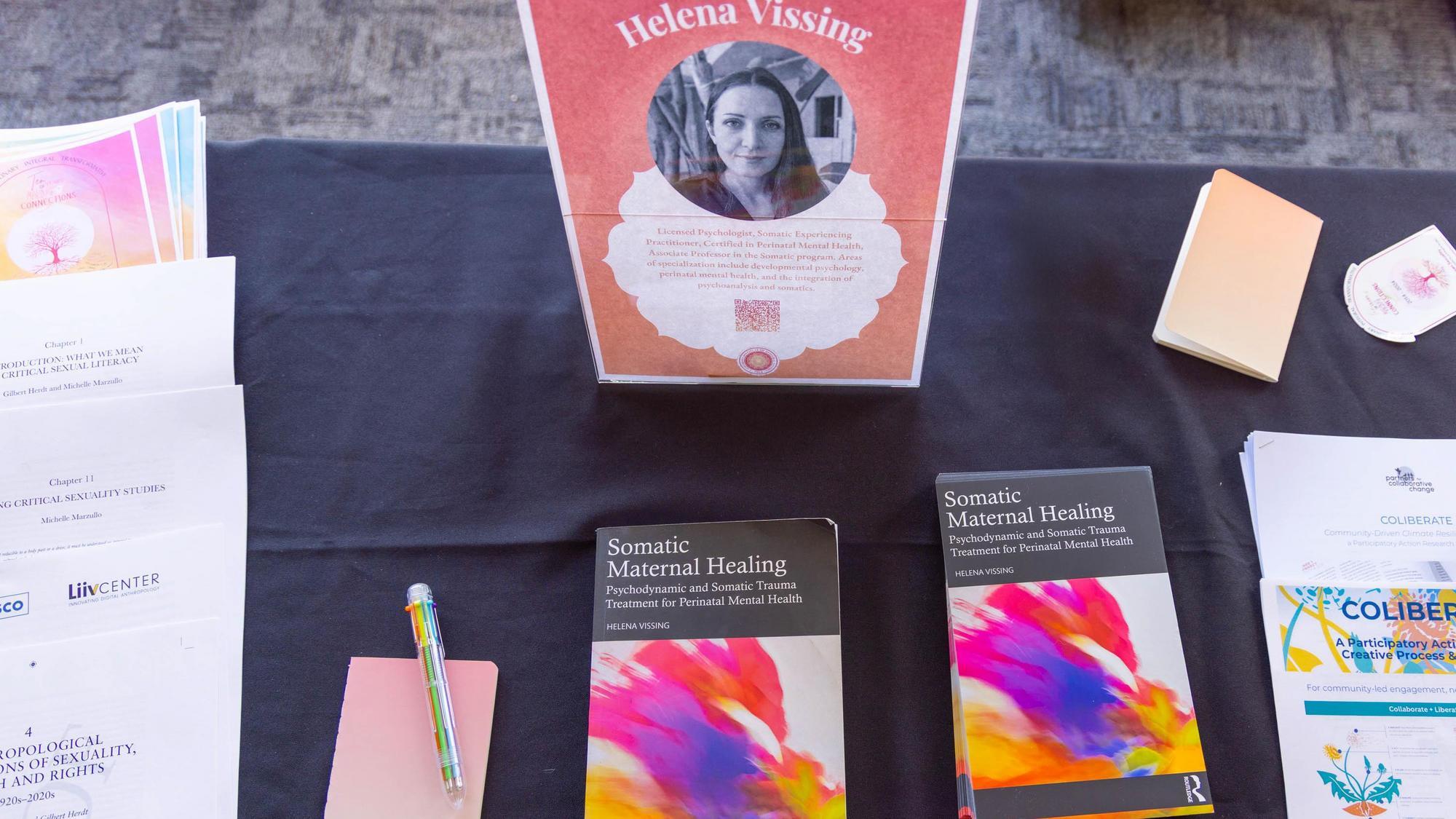
Vissing's own path to somatics ran through psychoanalysis. She trained at the Jung Institute during her predoctoral work, which led her to discover somatic approaches. Today, much of her scholarship sits at the intersection of those two fields — how psychodynamic and somatic perspectives enrich each other, where they clash, and how their integration can be adapted for specific populations with different needs.
Image
Helena Vissing's book, Somatic Maternal Healing, on display at the Faculty Research Reception, May 2025.
We also do what we teach while we're teaching it. Helena Vissing, Associate Professor, Counseling Psychology, Somatic Psychology
That interest in productive tension carries over into how she thinks about integral education. "It's in that tension, that contrast, that new things emerge," she says. Psychoanalysis and somatics, she points out, are deeply related but not always recognized as such. The work of bringing them into dialogue — acknowledging their respective blind spots, building on their strengths — is never finished. "It's never a standstill. It's a dynamic, and it requires a capacity to be in the tension between different ways of thinking."
After completing the program, graduates pursue a range of paths. Many open private practices. Others work in community or organizational settings where their somatic training informs leadership, not just clinical work. Vissing sees that breadth as part of the field's current moment — a renewed interest in somatics that extends well beyond the therapy room.
Associate Professor Sara Salazar shares how CIIS’ B.A. in Interdisciplinary Studies creates space for students who have started and stopped their degrees to finally complete on their own terms.