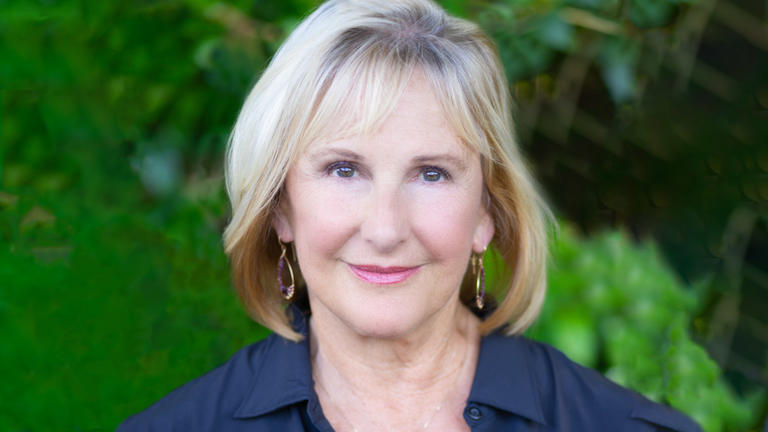
The Health Coach Who Built the Field: Meg Jordan Retires From CIIS
After 17 years leading CIIS' Integrative Health Studies program, professor Meg Jordan steps back from a career that helped create the profession of health and wellness coaching.
May 21, 2026
Before Meg Jordan came to CIIS, she had already founded American Fitness Magazine, opened one of the first hospital-based wellness centers in Los Angeles, reported on health for NBC, CNN, and KTVU, traveled to the Soviet Union as an ambassador of American health and fitness during glasnost, produced a PBS documentary on the contemporary Goddess movement, and been named a Healthy American Fitness Leader by the White House. She had degrees in journalism, nursing, philosophy and religion, and medical anthropology. She had written five books. And she was teaching Holistic Health at San Francisco State when a CIIS board member suggested she take a look at a small program called Integral Health.
Intrigued, Jordan taught one semester as an adjunct. Then she became chair. That was 2008. Over the next 17 years, Jordan would rebuild the program from the ground up, creating 24 new courses, assembling an advisory board, hiring new faculty, and turning Integrative Health Studies into a career-oriented degree with a national reputation. This spring, she embarks on yet another change, yet another challenge: Professor Meg Jordan is retiring.
Building the Program, Building the Profession
Just as CIIS professors Don Hanlon Johnson gave academic form to somatics and Renée Emunah built drama therapy into a graduate discipline, Jordan brought integrative health coaching into the University at a time when the field barely existed. She embedded a master's-level health coaching certificate inside the degree, one of the first of its kind in the country. Then she helped build the infrastructure the profession needed to be taken seriously.
Image
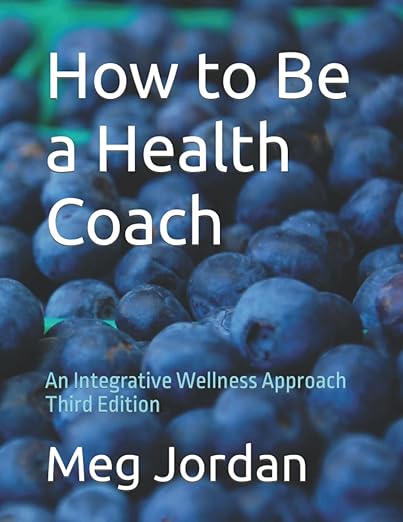
Collaborating with colleagues from Duke, the University of Minnesota, Vanderbilt, and the University of Arizona, Jordan co-founded the National Board of Health and Wellness Coaching and helped launch a national certification. Her textbook, How to Be a Health Coach: An Integrative Wellness Approach, now in its third edition, is used in over 150 colleges and universities and has been translated into Spanish and Mandarin. Her peer-reviewed articles on the differences between coaching and psychotherapy have received milestone awards for downloads at both ResearchGate and Academia.edu.
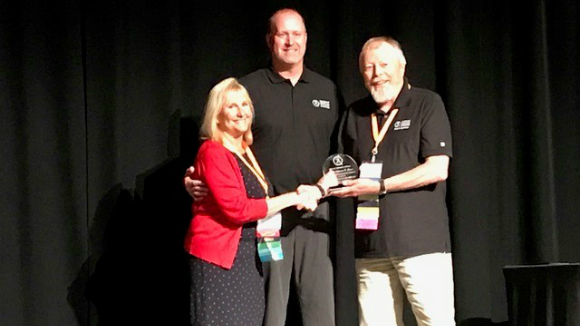
In 2011, the National Wellness Institute recognized the program with its Academic Excellence Award. In 2018, NWI gave Jordan herself its William B. Baun Lifetime Achievement Award for her contributions to the field and to the Institute.
Image
Professor Dr. Meg Jordan was honored with the award for her many accomplishments in and for the profession of health and wellness coaching and for her leadership in NWI
Above and Beyond
Jordan’s personal achievements are fundamentally interwoven with her commitment to her communities. She chaired the Faculty Council for two consecutive terms and served as chair of multiple University committees, including the Curriculum and Academic Review Committee and the Institutional Planning and Budget Committee. Four different CIIS presidents have welcomed her expertise on various task forces, and she has advised and guided the University on everything from COVID policies to Blue Sky fellowships. She has also served on dozens of faculty hiring committees and two presidential search committees, and as both a community trustee and a faculty trustee on the CIIS Board.
Image
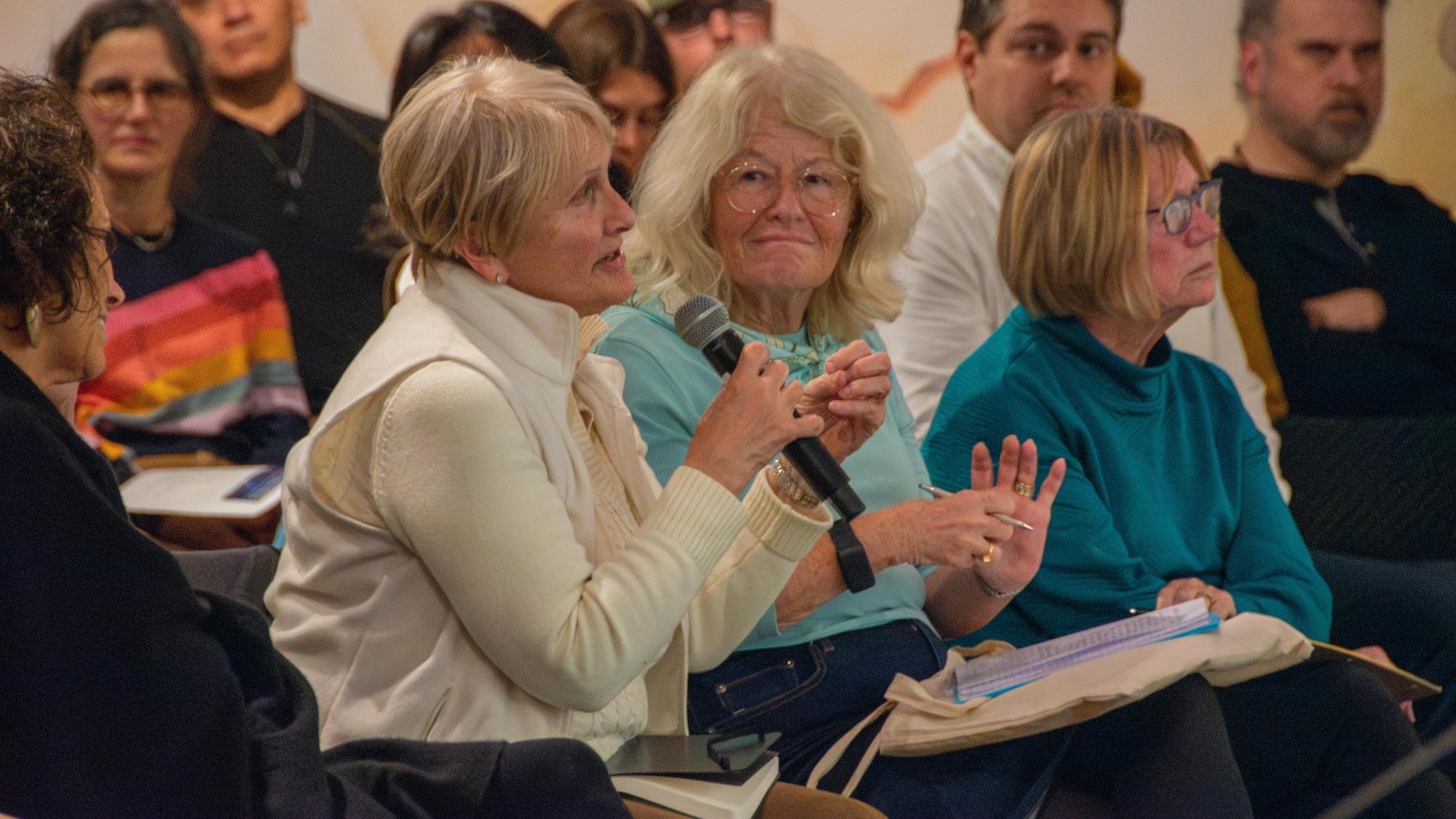
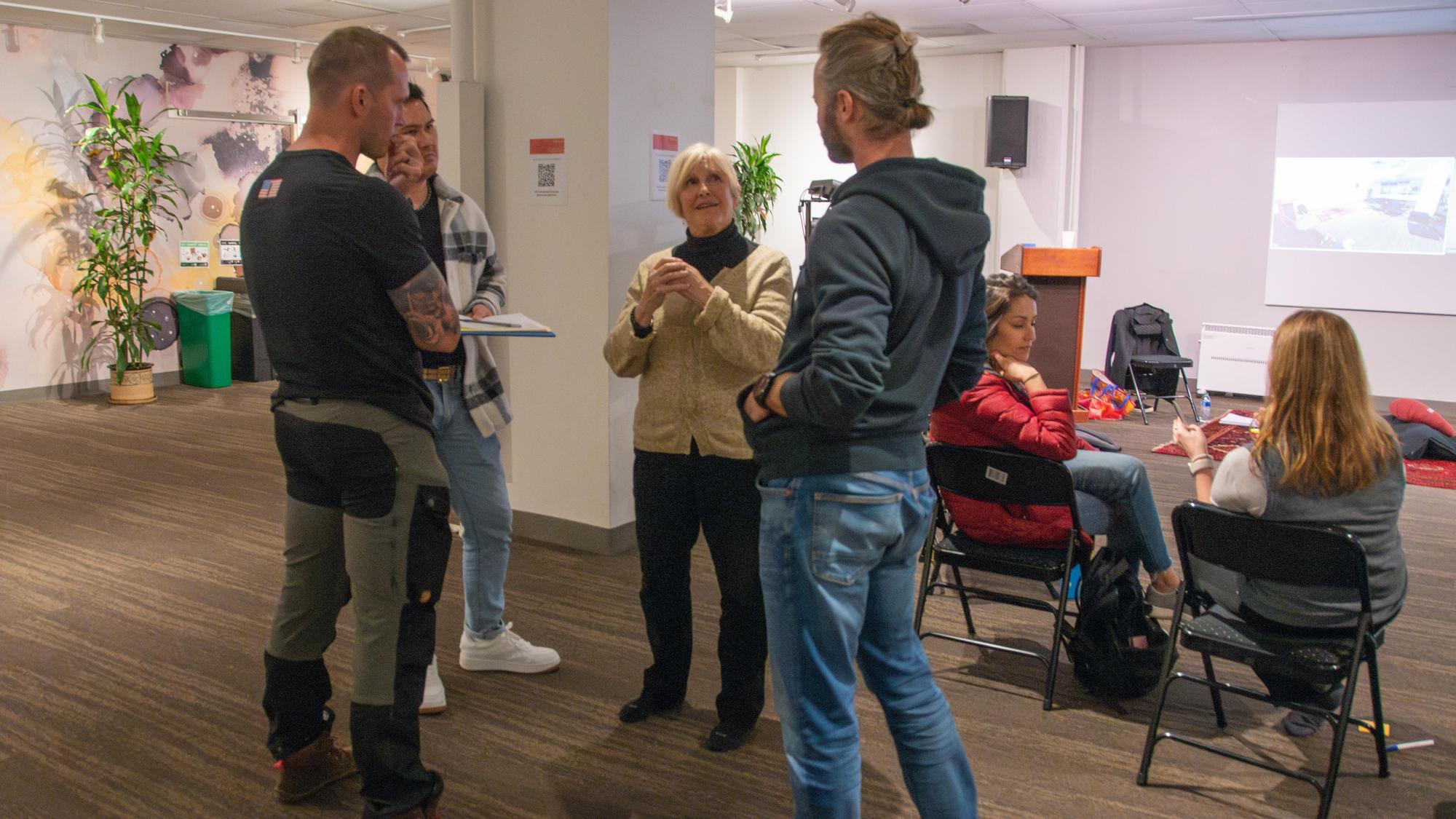
Meg Jordan speaking during the Metaphysics and the Matter With Things, Thinking with Iain McGilchrist, 2024.
When other CIIS programs needed her expertise, she showed up there, too. She taught patient communication at the (formerly) nearby American College of Traditional Chinese Medicine. Her commitment to communication was not limited by location or language, though: brought CIIS health coaching to a partner program in India and developed and taught coaching in the MA Applied Psychology, delivered in Mandarin to students in China.
Doing More Together
Jordan credits her partnerships with provosts, academic vice presidents, and mentoring from senior faculty like Robert McDermott, Tanya Wilkinson, and Alfonso Montuori for what the program became. She shared a module with Iain McGilchrist of Oxford and a physicist from Barcelona through the Blue Sky Fellowship, exploring how studies in consciousness are mapping new frontiers in health and wellness. She continually connected scholars and seekers to CIIS, including Gabor Maté, whom she worked alongside in Canada.
This capacity for community-building finds local expression in the city of San Francisco: Jordan used a grant from the Aetna Foundation to bring health coaching to street-dwelling, insecurely housed adults, research that pioneered new outreach methodologies in the field. It also extends across the nation and the globe, as Jordan consults with businesses and communities in China, India, and many others.
Image
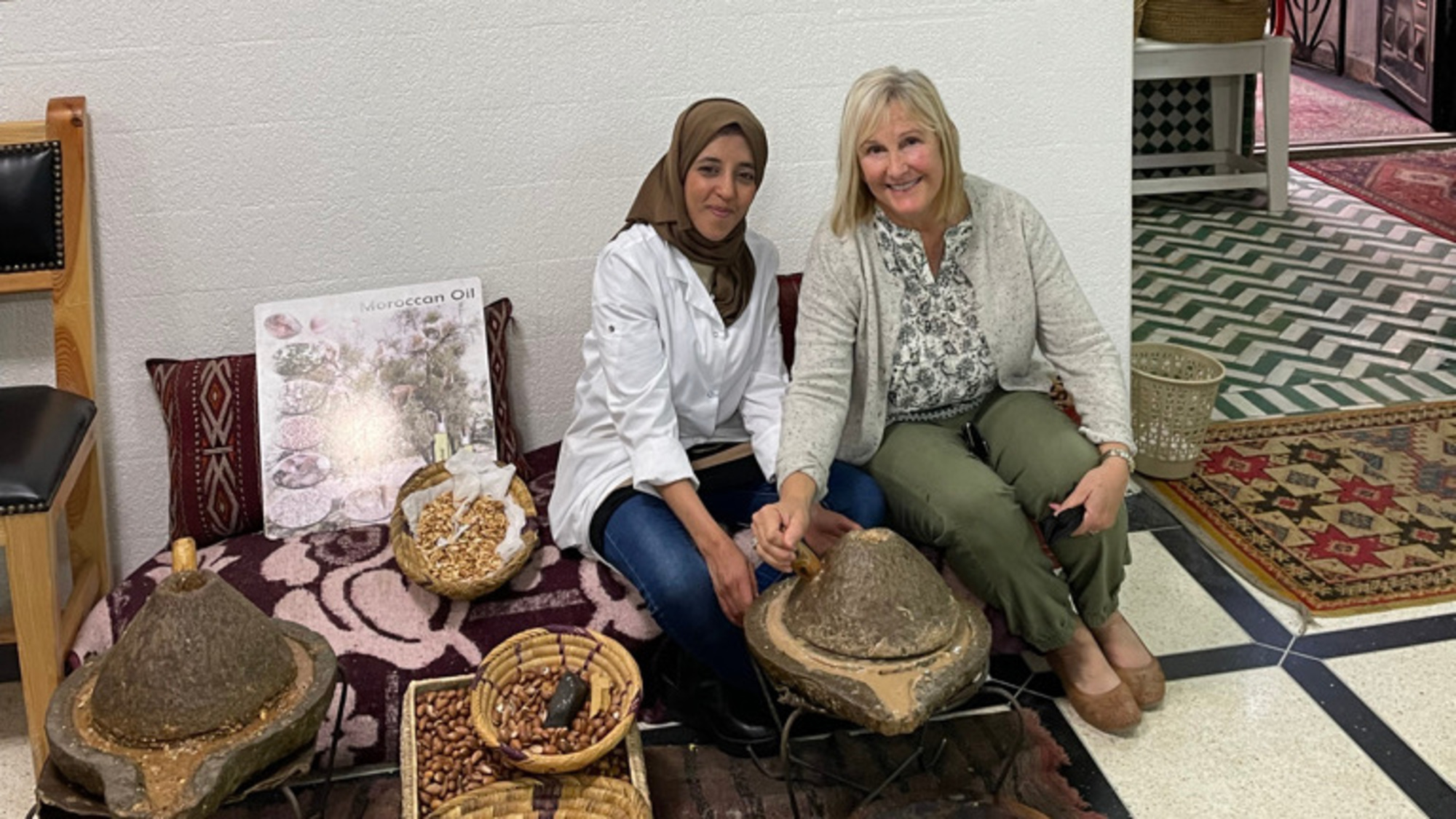
Image featuring Meg Jordan during her travels.
But when asked about what mattered most, Jordan points to the graduates. "My most fulfilling times in this wild and varied career have been mentoring the graduates of IHL, as they break new ground in imagery work, health coaching, new programs for vets, and researching lifestyle medicine turnarounds for diverse populations." These new professionals and scholars are continuing and expanding the work of integral health and of CIIS from the foundations that she so firmly laid in place.
Image
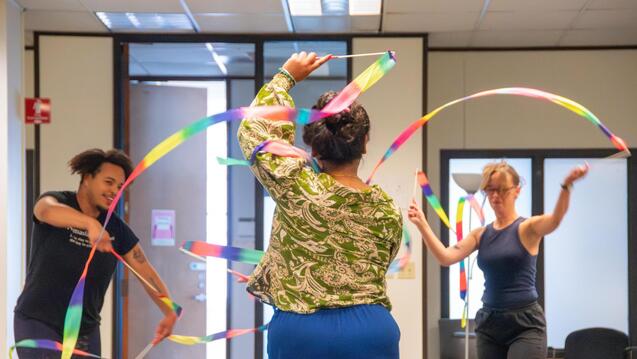
Meg Jordan with students during the Integrative Health Studies Spring 2024 Intensive at CIIS.
What Comes Next
Image
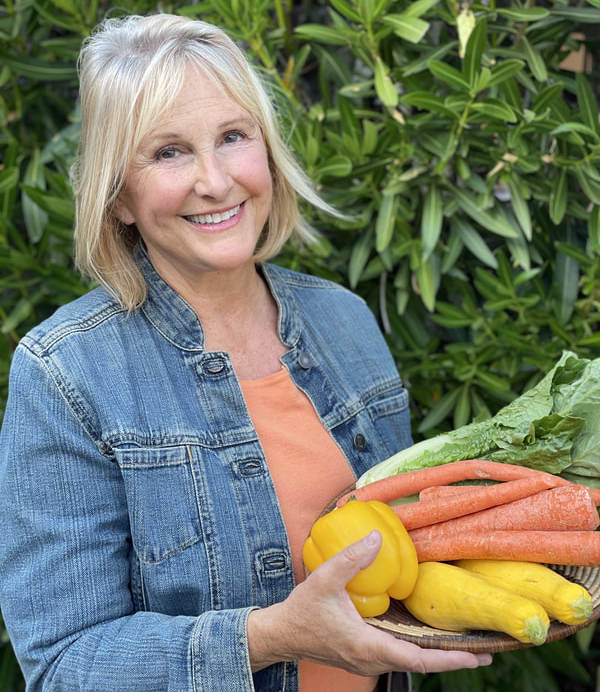
Photo of Meg Jordan holding a woven plate of vegetables.
Even in retirement, Jordan isn’t done. She will return in fall 2026 to report on a sabbatical project and teach two more courses. She lives in an intentional community and continues to fight for affordable housing and what she calls vibrant, conscious ways of living together. Beyond that, she plans more time with her two adult children and their families, her partner, and her granddaughters, who speak to her in Spanish while she answers in French. She paints, plays music, and dances whenever the mood strikes. However, she is no longer racing sailboats. That, she says in a rare concession to the limitations of time, would be too much.