The Body As Teacher: Don Hanlon Johnson's Four Decades at CIIS
Don Hanlon Johnson, founder of the first graduate Somatics program in the U.S., retires after more than four decades at CIIS.
May 21, 2026
Before there was a graduate degree in Somatic Psychology anywhere in the United States, there was Don Hanlon Johnson — a Yale-trained philosopher, former Jesuit seminarian, and student of Ida Rolf — trying to figure out why the academy treated the body as if it had nothing to say.
In 1983, Johnson founded the first master's program in Somatic Psychology at CIIS, giving academic form to a question he'd been circling for years: What happens when we take the lived experience of the body seriously — not as an object of study, but as a source of knowledge? That program, and the field it helped define, became his life's work. This spring, after more than four decades on the faculty, Johnson retires.
Image
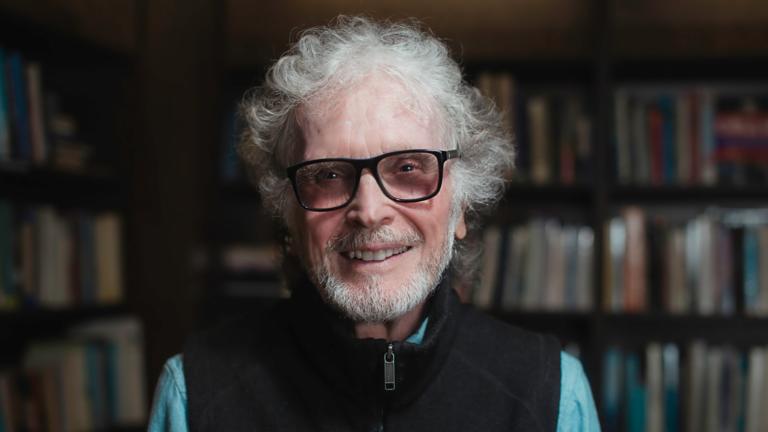
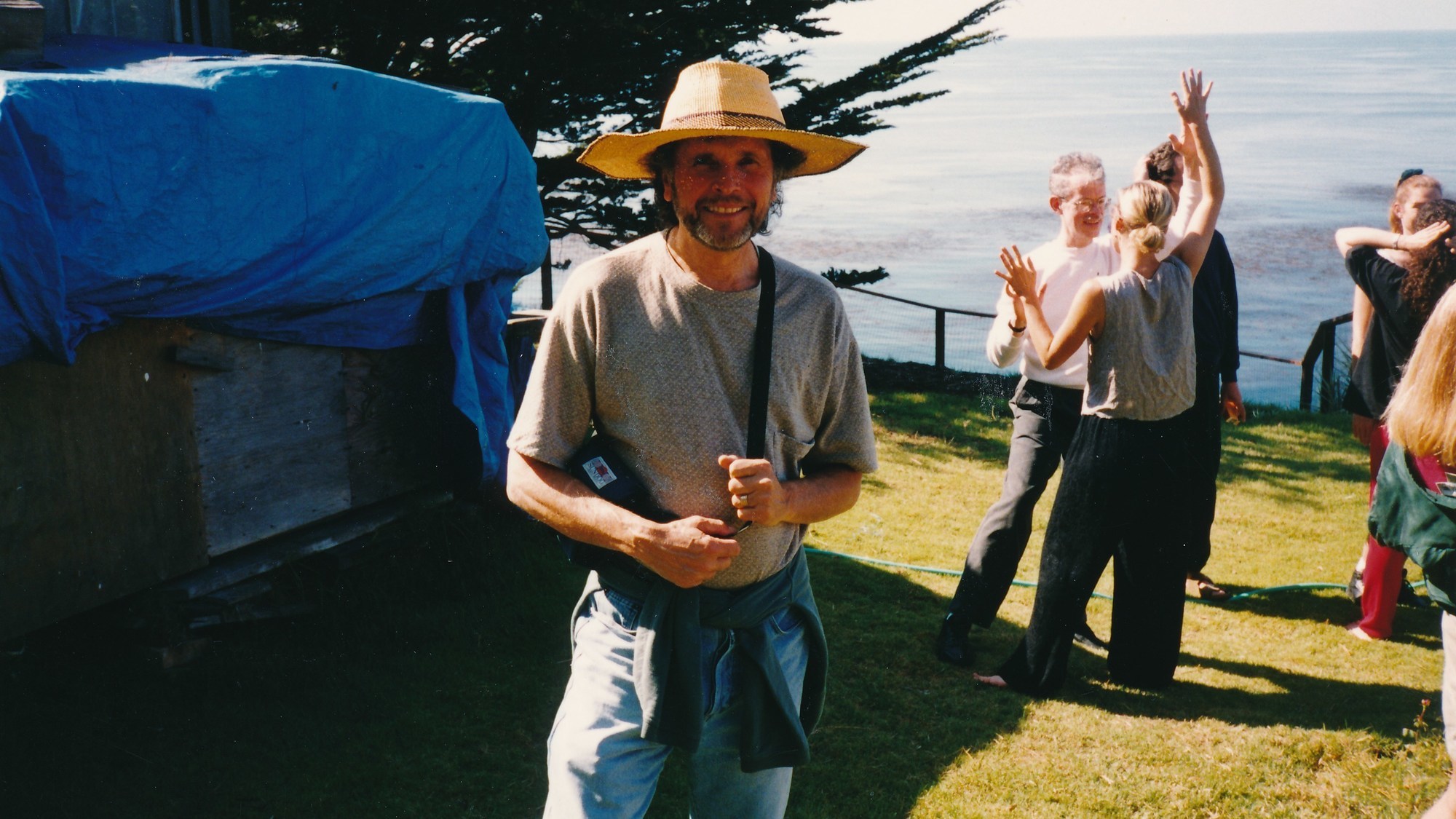
Portrait of Don Hanlon Johnson, 1994.
From Philosophy to the Body
Johnson's path to somatics was not a straight line. He studied philosophy at Gonzaga University and earned his Ph.D. at Yale, grounding himself in the phenomenological tradition of Maurice Merleau-Ponty and Edmund Husserl. He began his teaching career in academic philosophy at what is now Loyola Marymount in Los Angeles, where he also participated in Carl Rogers' research on student-centered learning. Early visits to the newly founded Esalen Institute introduced him to practices — Rolfing, Feldenkrais, Sensory Awareness, Authentic Movement — that were doing in the body what phenomenology described on the page.
He saw that these methods, though often fragmented into competing schools, shared a common insight: that the split between mind and body embedded in Western institutions was causing real harm — in medicine, in education, in how people understood themselves. Bringing those practices into conversation with each other, and into the university, became his project.
Building a Field
The Somatics program Johnson created at CIIS was not just a training ground for practitioners. It was an argument that embodiment belongs in the academy. He designed a curriculum that brought together experiential practice, clinical training, and the philosophical rigor he'd carried from Yale. The program trained generations of practitioners and scholars whose work now spans clinical psychology, dance, movement education, body psychotherapy, and transpersonal psychology.
Image
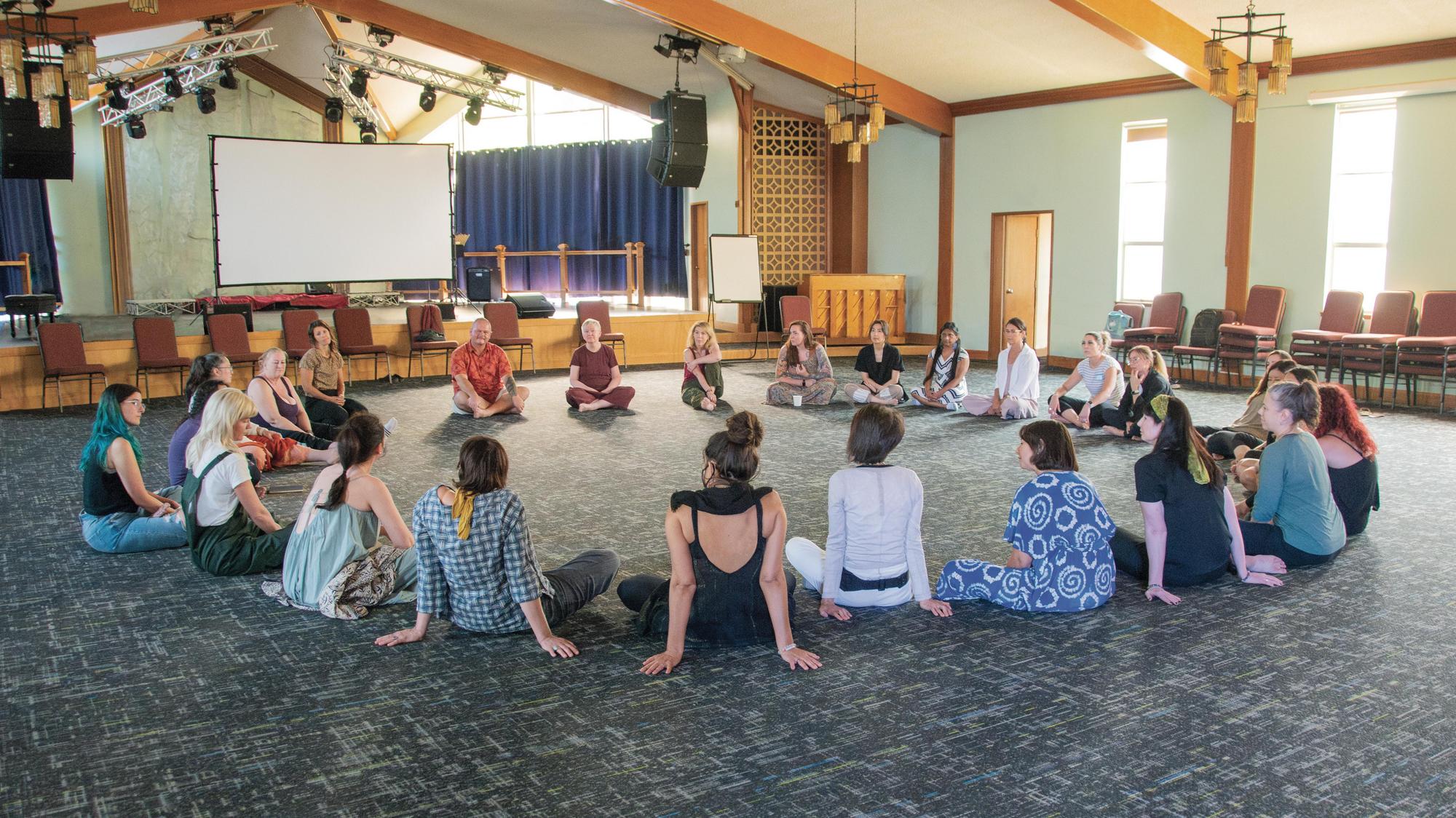
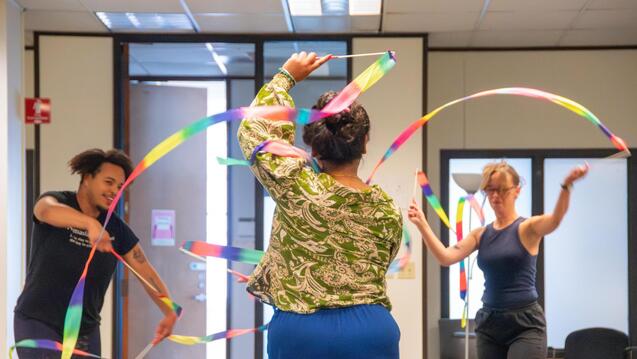
Research Psychology students at the program retreat, Fall 2023.
Johnson also worked to ensure graduates could practice in the mainstream clinical world. He served as one of three consultants who helped reshape the State of California's Marriage and Family Therapy Legislative Task Force, making room for training in expressive modalities. He initiated the purchase of a neighborhood psychotherapy clinic as a practicum training site for students.
A Scholar of Embodiment
Johnson's edited volumes — Bone, Breath, and Gesture (1995), Groundworks: Narratives of Embodiment (1997), and The Body in Psychotherapy (1998, co-edited with Ian J. Grand) — preserved and synthesized the voices of early practitioners in the field. These books remain required reading in somatic and transpersonal psychology programs. His own writing, including Body: Recovering Our Sensual Wisdom (1983) and Everyday Hopes, Utopian Dreams (2006), explored how body practices connect to social change, democracy, and ethics. His earlier book The Protean Body (1977) was translated into French and German.
Image
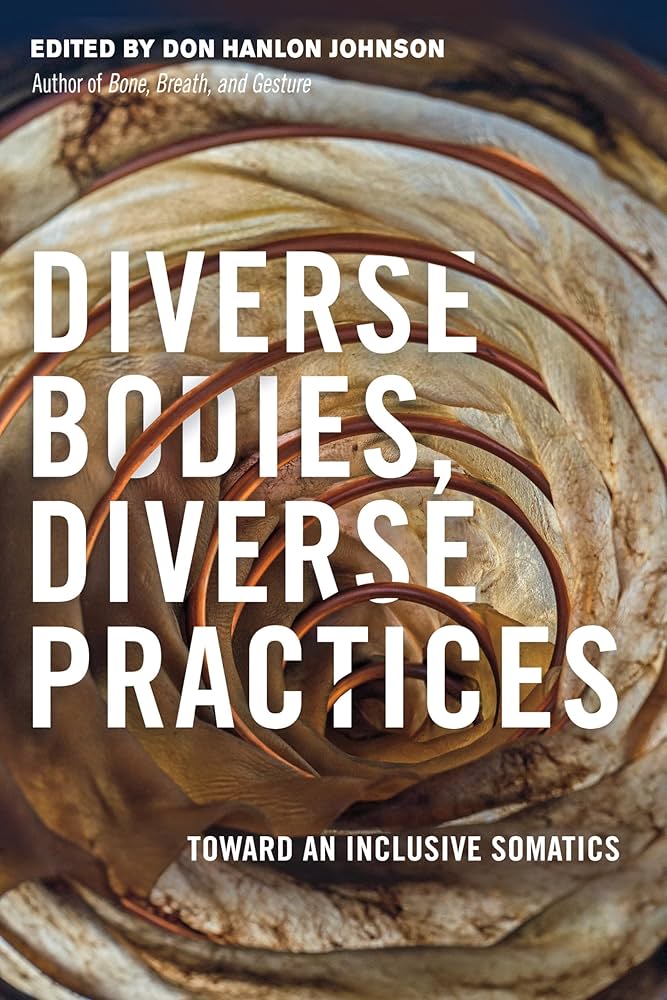
Diverse Bodies, Diverse Practices: Toward an Inclusive Somatics, edited by Don Hanlon Johnson(2018).
His most recent edited collection, Diverse Bodies, Diverse Practices: Toward an Inclusive Somatics (2018), pushed the field to reckon with questions of access, identity, and whose bodies are centered in somatic work.
Esalen and Beyond
Johnson's contributions extended well past CIIS. As a member of the Center for Theory and Research at Esalen Institute, he organized seminars bringing together therapists, anthropologists, scientists, artists, and psychologists. He was part of the Esalen-Soviet Union Health Promotion Project, focusing on addiction and gerontology. He served as a contributing editor of Somatics: Magazine-Journal of the Bodily Arts and Sciences. And he developed a cooperative student-exchange program with Ritsumeikan University in Kyoto.
In 2023, the United States Association for Body Psychotherapy recognized Johnson with its Lifetime Achievement Award — joining previous recipients including former CIIS faculty member Judyth O. Weaver, as well as other somatic psychology pioneers such as Eugene T. Gendlin, and Peter A. Levine.
In recent years, Johnson taught in the Somatics concentration within CIIS' doctoral program in Research Psychology. On his own website, he describes this stage with characteristic directness: he is "relishing" his “twilight years,” focused on mentoring doctoral students and learning to be a grandfather.
CIIS honors Johnson with Faculty Emeritus status at the 2026 commencement — a recognition of a career that helped establish the academic study of embodiment as a legitimate and necessary field. His influence continues in every classroom where the body is treated not as a problem to solve, but as a way of knowing.
Image
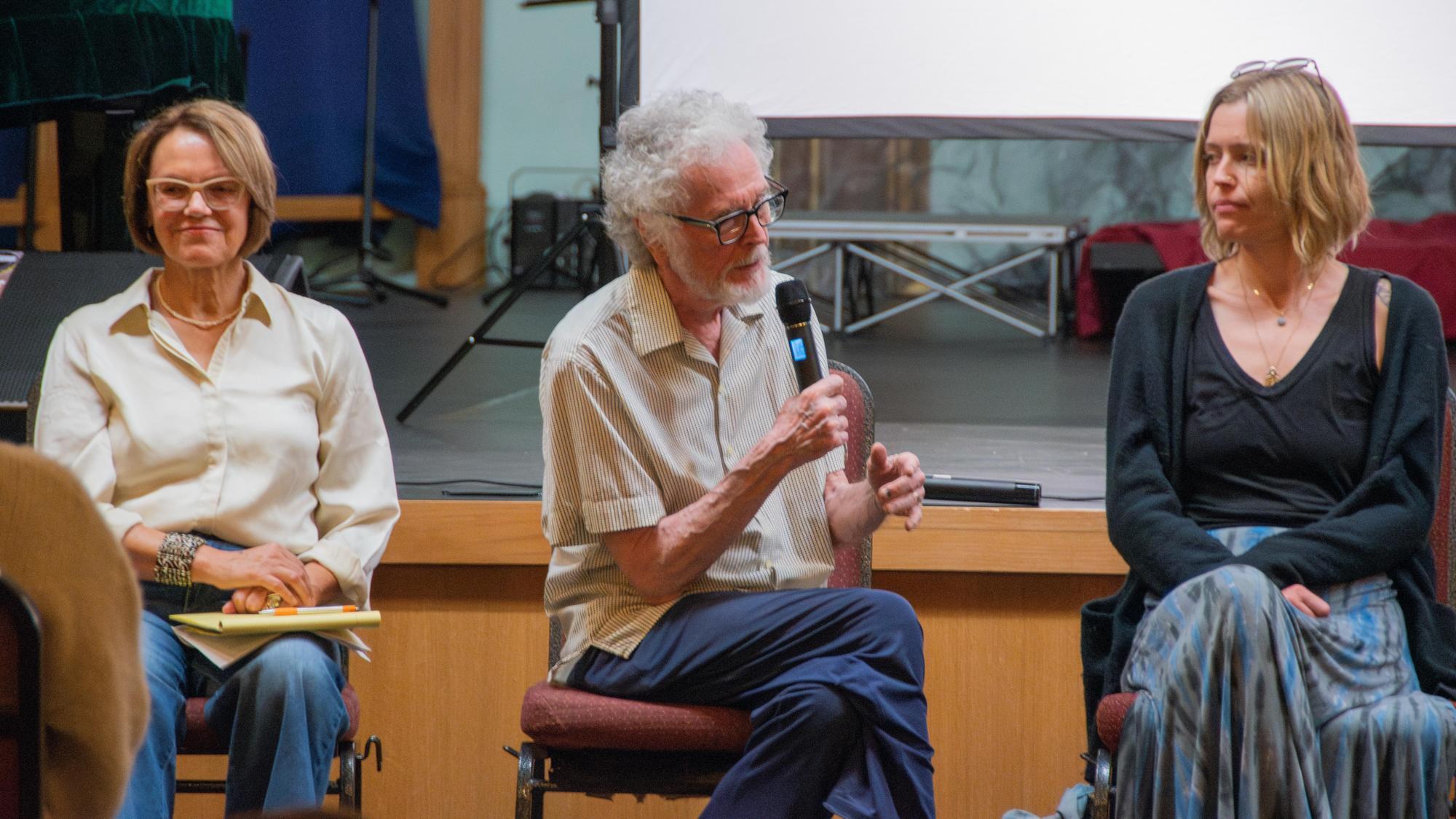
Don Hanlon Johnson speaking at the Research Psychology Retreat in 2023.