Seeds as Ancestors
Rowen White on Indigenous Seedkeeping and Food Sovereignty
When Rowen White was seventeen, she found herself on a dusty New England farmhouse floor, paging through seed catalogs for the first time. She had grown up in Akwesasne — a Mohawk community straddling the New York-Canadian border — knowing tomatoes came "round and red, or maybe in a can." What she discovered that summer opened a doorway into cultural memory, ancestral identity, and a lifetime of activism.
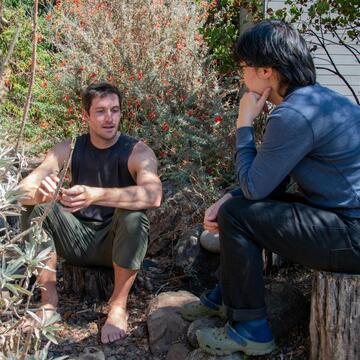
That story anchors a recent episode of the CIIS Public Programs Podcast, in which White — seedkeeper, author, and founder of Sierra Seeds — joined CIIS Associate Professor of Anthropology and Social Change Michelle Glowa for a conversation about Indigenous seed sovereignty, the politics of food, and what it means to truly nourish a community.
Recovering What Was Lost
White's path to seedkeeping is inseparable from her family's history. Her grandparents were among the last in her lineage to speak Mohawk as a first language and work the land — a generation whose knowledge was fractured by residential schools and forced assimilation. By the time White came of age, intimate knowledge of what her ancestors grew had largely vanished from daily life.
The heirloom tomatoes changed everything. Reading their stories — crops that traveled from Mesoamerica to Italy, then back across the Atlantic in immigrants' coat pockets — White began asking herself a question that would define her life: What were the foods and seeds that fed my ancestors?
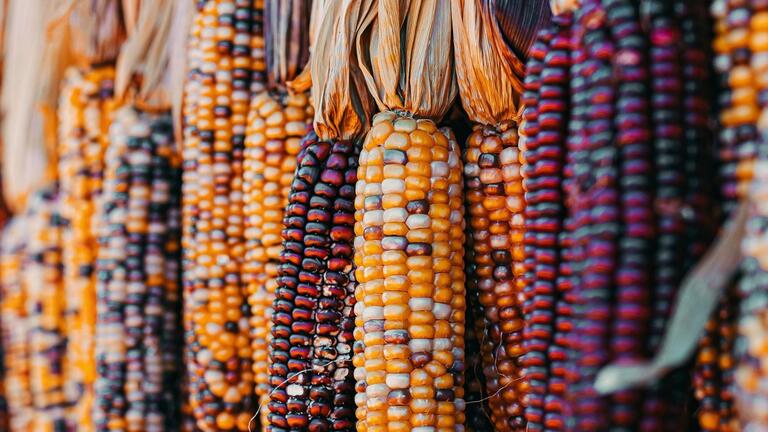
She went home, sat at kitchen tables with elders, and mason jars of seeds began to appear. Red corn, blue corn, beans with histories stretching back generations. "I thought I was growing them," she says of those years. "But they were growing me."
The Politics of the Seed
For White, seedkeeping is political. She traces the destruction of Indigenous food systems to the founding of the United States itself — George Washington ordering the burning of Haudenosaunee cornfields, the slaughter of the Plains buffalo, the deliberate dismantling of tribal food sovereignty as a tool of conquest. The consequences persist today in disproportionate rates of diabetes and heart disease in Native communities, the direct result of Western foods replacing traditional diets.
Indigenous food sovereignty, then, is about reclaiming not just nutrition but power and dignity — asserting the right to determine how communities feed themselves.
Growing Good Seed Stewards
Out of this vision grew Sierra Seeds, which White founded after hosting seed swaps while on maternity leave in California. Its guiding philosophy is simple but radical: it's not enough to grow good seed. You have to grow good seed stewards. The work is intergenerational by necessity, because the seeds will outlive any individual keeper.
White describes watching people encounter seeds for the first time — shelling corn, threshing amaranth, hands in soil — as a kind of "rehydration." Something old and ancestral awakens. The knowledge was never entirely lost, she insists. It was suppressed and commodified. But it can return.
She points out that purchasing seeds from a catalog is less than two hundred years old. Humans have co-evolved with domesticated plants for over ten thousand years. For most of that time, saving and sharing seeds was simply life — "grandma science," as she calls it.
An Intimate Call to Action
White closes with a personal invitation rather than a grand political gesture. She asks every listener to carry one question forward: What were the foods and seeds that fed my ancestors? From there, find one plant your lineage cared for and take one small step toward reconnecting with it. Plant it in a pot. Learn its story.
"It's an intimate immensity," she says. "Something so small but so big."
Her own children never had to ask that question — they grew up on a seed farm, eating the ancestral varieties their mother spent decades recovering. In one generation, the severed thread was retied. That, White insists, is reason for hope: the kind that grows when you put your hands in the soil and listen for what the seeds have to say.
About Rowen White
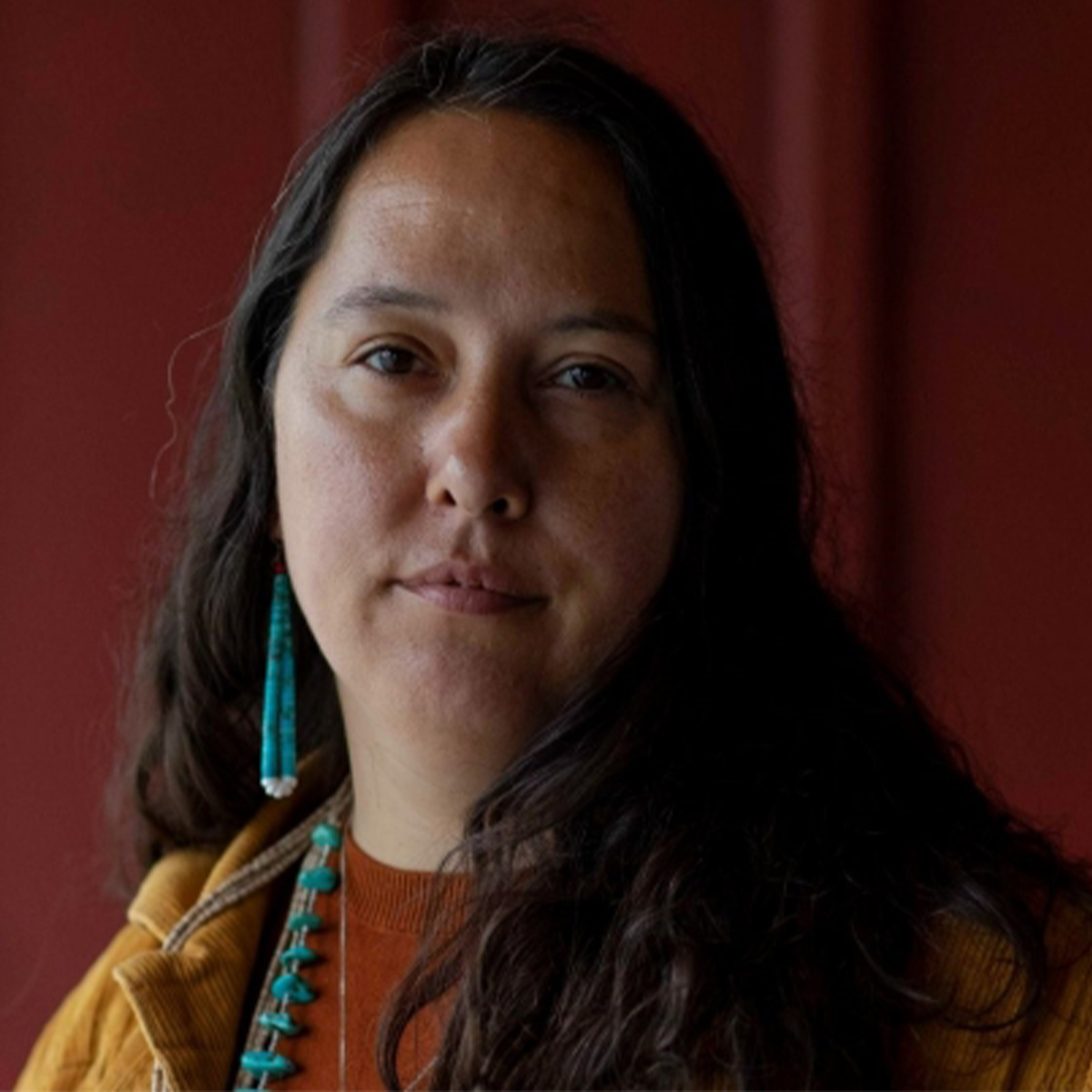
Rowen White is a Seedkeeper/farmer and author from the Mohawk community of Akwesasne and a passionate activist for indigenous seed and food sovereignty. She is the Educational Director and lead mentor of Sierra Seeds, an innovative Indigenous seed bank and land-based educational organization located in Nevada City, CA. Rowen is the Founder of the Indigenous Seedkeepers Network, which is committed to restoring the Indigenous Seed Commons, and currently serves as a Cooperative Seed Hub Coordinator.

California Institute of Integral Studies
Integral education for therapists, thought leaders, creatives, and activists since 1968.