

Sep24
An Online Overview with Jennifer Gruczelak
What are you looking for?

Cultivating meaning and expanding scholarship in the psychological sciences
Our focus is on the lived experience of being human, including the spiritual, exceptional, and somatic. We are guided by and dedicated to offering integral education that honors intellectual excellence, perspective, and practice that include spirituality and the body, and the transformative capacities of rigorous inquiry and writing. We offer a high-quality, online Ph.D. for students in whole-person approaches to psychology.
Hear what our faculty and students have to say.
We offer two concentrations in our doctoral degree to allow you to best explore your felt connection with a diverse, interconnected, and evolving world.

Whole-person education that expands conventional Western psychology to include spiritual and transcendent human experiences.

Deepen your work as a somatic psychology practitioner in this groundbreaking online Ph.D.
Our faculty have a wide range of research interests, among them cultural and historical consciousness studies, the neuroscience of hypnosis and meditation and trauma-based psychological theories.
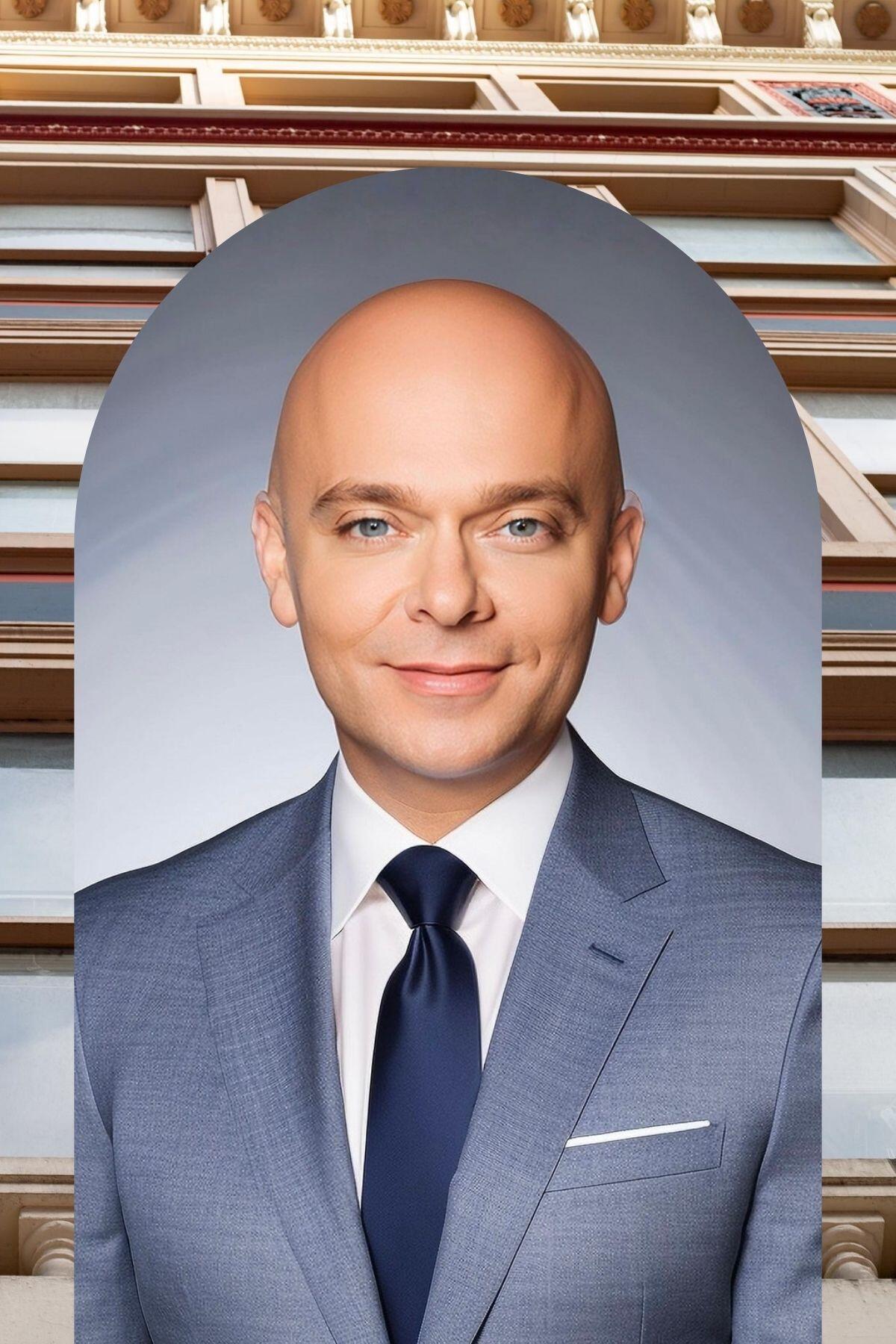
A $30,000 grant will establish a faculty research fund at CIIS, creating opportunities for innovative studies in Somatic Psychology and Integral and Transpersonal Psychology.

David Salisbury Brown Mitchell shares findings linking meditation and meditative states of consciousness to increased reporting of exceptional experiences (ExE), unusual but not uncommon ways of experiencing the world, including experiences often labeled as “paranormal."

In this delightful conversation on The Embodiment Podcast, professor Don Hanlon Johnson draws on his extensive well of experience and shares about his winding journey to becoming a Somatic Therapy practitioner.
The degree is structured so that students complete coursework in 3 years and then move to dissertation phase. With departmental permission, coursework may be accelerated. Time to degree will vary by student unit load, but a full-time student can expect to complete the degree in 5-6 years.
Students entering the Psychology doctoral programs share an interest in whole-person approaches to psychology such as humanistic, transpersonal, holistic, integral, somatic, contemplative, Jungian, and East-West. This typically includes the following:
Although a master's degree is required for acceptance into the Psychology Ph.D. programs, the degree does not have to be in psychology. Students with an insufficient background in psychology may be encouraged to take one or more foundational courses in psychology from CIIS’ Integral Counseling Psychology or Psy.D. programs, or at another community college or university.
No, the Research Psychology with a concentration in Integral and Transpersonal Psychology and Somatic Psychology programs are not clinical programs. The programs do not prepare students for licensure as psychological counselors, psychotherapists, or clinical psychologists. However, the degree is designed to serve students who have earned master’s in counseling or psychotherapy. It is expected that some of these students will pursue further doctoral studies researching topics related to counseling psychology, such as integral psychotherapy, somatic psychology, expressive arts therapy, drama therapy, and community mental health.
Graduates from the programs are expected to continue working in their established fields as psychotherapists, social workers, psychologists, counselors, consultants, activists, organizers, leaders, teachers, researchers, nurses, physicians, lawyers, or in fields related to personal development, social change, or environmental protection. Some who are entrepreneurially inclined may use their education as the basis for becoming consultants, writers, speakers, or workshop leaders. A few may go into academic teaching or research and publication.
Yes, the programs are conducted primarily online, with two intensives per year, in-person in fall, virtual in spring.
Yes, however, if you are using financial aid, part time attendance will affect any financial aid award; to be considered full time for financial aid purposes, you must take six units per semester.
Yes, depending upon eligibility. Please consult the Financial Aid Office for specifics at 415.575.6148 or finaid@ciis.edu.
Yes. The University provides various forums during which you can meet with a faculty member to discuss your interest, including the biannual CIIS open houses, as well as various info sessions.
Prospective students interested in visiting CIIS can schedule an appointment with an admissions counselor. Admissions counselors are happy to discuss academic interests and goals and provide materials and financial aid information. Please contact Admissions at mdomingo@ciis.edu.
Government loans totaling up to $20,500 and various Institute scholarships are available. Additionally, some students are employed within the Institute as student workers (either for pay or tuition exchange). It is best to speak directly with a financial aid officer to understand the specifics, and to request that financial aid information be sent to you.
The Research Psychology department allows a maximum of six semester units to be transferred into the Ph.D. program. However, applicants with an insufficient background in psychology may be required by the Admissions Committee to take additional psychology courses as prerequisites. Students with previous doctoral coursework may request to transfer up to 6 units. The program chair reviews requests for transfer units.

Attend the Fall Open House to get to know your admissions counselors and learn more about CIIS' bachelor's, master's, and Ph.D. programs.
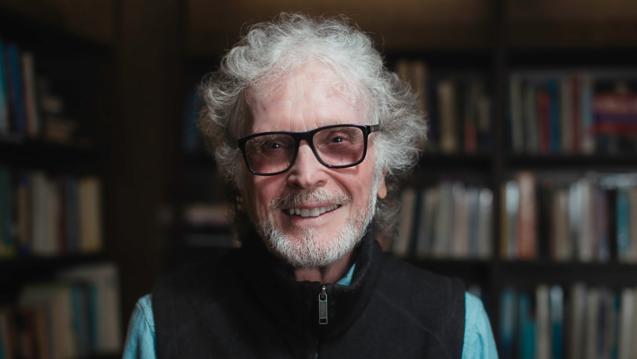
Don Hanlon Johnson, founder of the first graduate Somatics program in the U.S., retires after more than four decades at CIIS.

How CIIS honors the Earth through curriculum, retreats, events, and practices that root learning in the living world.

Associate Professor Chris Walling reveals how CIIS' Department of Research Psychology trains scholars to live the wisdom they study — in two doctoral programs at the forefront of somatic and transpersonal psychology.