Center for Black & Indigenous Praxis
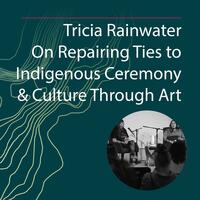
Tricia Rainwater: On Repairing Ties to Indigenous Ceremony and Culture Through Art
Choctaw multimedia artist Tricia Rainwater’s wide-ranging work is rooted in themes of identity and grief. Her artistic practice offers a perspective through the lens of a Choctaw survivor. In her most recent series, Falama: to return, she shared a sustained desire to repair ties to ceremony and culture. To create Falama, she set out on the Trail of Tears, the route followed by five southeastern tribal nations—including her own ancestors—when they were forcibly displaced from their homes to areas west of the Mississippi designated as Indian Territory.
In this episode, Nunatsiavut Inuk multimedia artist and writer Chantal Jung joins Tricia for an engaging conversation about her ongoing explorations of return, reconnection, and repair with her Indigenous family, culture, and land—past and present.
This episode was recorded during a live online event on July 25th, 2024. A transcript is available below.
You can watch a recording of this episode and many more episodes on the CIIS Public Programs YouTube Channel.
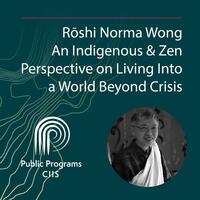
Rōshi Norma Wong: An Indigenous & Zen Perspective on Living Into a World Beyond Crisis
In this episode, 86th generation Zen master and Indigenous Hawaiian leader Rōshi Norma Wong is joined by CIIS Associate Professor Sonya Shah for an illuminating conversation exploring spiritual activism and how to envision co-creating new worlds from one in crisis.
They discuss Norma’s latest book, When No Thing Works, in which she inquiries into the ways we can live well and maintain our wholeness in an era of collective acceleration and explores ways we can step out of urgency to tend to our crises with wisdom, intention, and care.
This episode was recorded during a live online event on January 22nd, 2025. A transcript is available below.
You can watch a recording of this episode and many more episodes on the CIIS Public Programs YouTube Channel.
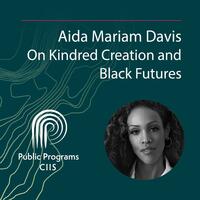
Aida Mariam Davis: On Kindred Creation and Black Futures
In her work, author, organizer, and designer Aida Mariam Davis explores the historical and ongoing impacts of settler colonialism, making explicit the ways that extraction, oppression, and enslavement serve the goals of empire—not least by severing ancestral connections and disrupting profound and ancient relationships to self, nature, and community. Her recent book, Kindred Creation, is a call and response to dream and design better worlds rooted in African lifeways: a path to Black freedom, a love letter to Black futures, and a blueprint to intergenerational Black joy and dignity—all (and always) on Black terms.
In this episode, Aida is joined by CIIS Director of the Center for Black & Indigenous Praxis Preston Vargas for a powerful conversation exploring African epistemologies and recalling the dignity and distinction of the African way of life. Aida shares her philosophical framework: remember, refuse, and reclaim as a vital guide for birthing new worlds and reclaiming land, language, lifestyle, and labor.
This episode was recorded during a live online event on February 19th, 2025. A transcript is available below.
You can watch a recording of this episode and many more episodes on the CIIS Public Programs YouTube Channel.
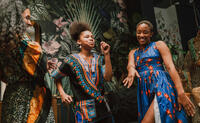
The Center for Black & Indigenous Praxis joins Generations’ Legacy
For the second year, CIIS’ Center for Black & Indigenous Praxis joined Generations, a celebration of Black LGBTQIA+ cultures in the Bay Area.

Celebrating 28 Days of Blackness
The Black Psychology Project and the Center for Black & Indigenous Praxis’ annual celebration of Black History Month returns.
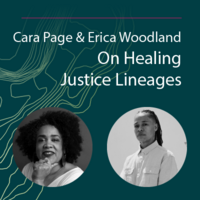
Cara Page and Erica Woodland: On Healing Justice Lineages
Black Queer Feminists Cara Page and Erica Woodland’s work focuses on political and spiritual liberation grounded in Black, Indigenous, People of Color, and Queer and Trans healing justice lineages. Their work guides individuals through the history, legacies, and liberatory practices of healing justice—a political strategy of collective care and safety that intervenes in the generational trauma caused by systemic violence and oppression.
In this episode, Cara and Erica discuss their recent collaboration as editors of the anthology Healing Justice Lineages, a profound and urgent call to embrace community and survivor-led care strategies as models that push beyond commodified self-care, the policing of the medical industrial complex, and the surveillance of the public health system.
This episode was recorded during a live online event on February 2, 2023. A transcript is available below.
You can watch a recording of this episode and many more episodes on the CIIS Public Programs YouTube Channel.
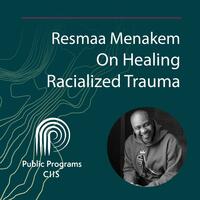
Resmaa Menakem: On Healing Racialized Trauma
Resmaa Menakem is a healer, therapist, and a licensed clinical social worker renowned for his bestseller My Grandmother’s Hands: Racialized Trauma and the Pathway to Mending Our Hearts and Bodies. Resmaa is the originator and key advocate of Somatic Abolitionism, an embodied antiracist practice of living and culture building.
In this episode, CIIS Vice President for Diversity, Equity, and Inclusion Rachel Bryant has a transformative conversation with Resmaa about his recent book, The Quaking of America, and how we can heal the historical and racialized trauma we carry in our bodies and our souls.
This episode was recorded during a live online event on February 10th, 2023. A transcript is available below.
You can watch a recording of this episode and many more episodes on the CIIS Public Programs YouTube Channel.
Samira Mehta: On the Racism of People Who Love You
Popular belief assumes that mixedness gives you the ability to feel at home in more than one culture, but the flipside reveals you can feel just as alienated in those spaces.
Born to a white American and a South Asian immigrant, scholar and essayist Samira Mehta grew up feeling more comfortable with her mother’s family than with her father’s—her white family never carried on conversations in languages that she couldn’t understand or blamed her for finding the food too spicy. But in adulthood, she realized that some of her Indian family’s assumptions about the world had become an indelible part of her—and that her well-intentioned parents had not known how to prepare her for a world that would see her as a person of color.
In this episode Samira is joined by the Director of the Institute for Diversity in the Arts at Stanford University A-lan Holt for a conversation about Samira’s life and recent book The Racism of People Who Love You that tackles questions around authenticity and belonging, conscious and unconscious cultural inheritance, appropriate mentorship, and the racism of people who love you.
This episode was recorded during a live online event on April 20th, 2023. A transcript is available below.
You can watch a recording of this episode and many more episodes on the CIIS Public Programs YouTube Channel.
L. Frank and Catalina Gomes: Voices From California Indigenous Languages and Cultural Revitalization
Across what we now call California, Indigenous communities are fighting to protect and preserve languages, cultural practices, and ways of being.
In this episode, Two-Spirit Tongva/Ajachmem artist and tribal activist L. Frank and Ramaytush (Rammaytush) descendant and Founder of Muchia Te' Indigenous Land Trust Catalina Gomes share their personal journeys of learning and reconnecting with their tribal languages and discuss the fight for the visibility of Indigenous languages and cultural practices across California.
This episode was recorded during an in-person and live streamed event at California Institute of Integral Studies on October 10th, 2023. A transcript is available below.
You can watch a recording of this episode and many more episodes on the CIIS Public Programs YouTube Channel.
Lyla June: On Personal, Collective, and Ecological Healing
Dr. Lyla June is a renowned Indigenous musician, songwriter, poet, hip-hop artist, human ecologist, and community organizer. Her music and message center around intergenerational and inter-ethnic healing and are poetic articulations of Indigenous philosophies.
Through her vibrant art across mediums and extensive community organizing efforts, Lyla offers pathways forward for Indigenous liberation and creates solidarity for Indigenous communities and their allies.
This episode was recorded live in San Francisco on November 3rd, 2023. Lyla was joined on stage by Preston Vargas, CIIS Director of the Center for Black and Indigenous Praxis, for a powerful evening of song and conversation exploring her life, art, and community organizing. A transcript is available below.
You can watch a recording of this episode and many more episodes on the CIIS Public Programs YouTube Channel.
Jenée Johnson: On Reclaiming African-Centered Joy and Well-Being Through Mindfulness
African-centered scholars often point to mindfulness and meditation as important practices for those of African ancestry to tend to their inner landscapes and heal from the harm of systemic and internalized oppression.
For Jenée Johnson, the Founder and Curator of The Right Within Experience, a mindfulness immersion program for people of African ancestry, mindfulness is a tool to cultivate a liberatory lifestyle of joy and well-being. These are the human rights and exalted emotions that are eroded in Black lives through consistent exposure to the trauma of racism.
In this episode, Jenée is joined by filmmaker and activist Shakti Butler for a powerful conversation exploring mindfulness as a tool for Black Americans to reclaim joy, self-love, and well-being.
This episode was recorded during an in-person and live streamed event at California Institute of Integral Studies on February 2, 2024. A transcript is available below.
You can watch a recording of this episode and many more episodes on the CIIS Public Programs YouTube Channel.
Ijeoma Oluo: On Being a Revolution
In the #1 New York Times bestseller So You Want To Talk About Race, writer Ijeoma Oluo offered a vital guide for how to talk about important issues of race and racism in society. In Mediocre: The Dangerous Legacy of White Male America, she discussed the ways in which white male supremacy has had an impact on our systems, our culture, and our lives throughout American history.
But now that we better understand these systems of oppression, what can we do about them? In her latest book, Be A Revolution: How Everyday People are Fighting Oppression and Changing the World—and How You Can, Too, Ijeoma aims to show how people across America are working to create real positive change within our structures.
In this episode, Ijeoma is joined by Preston Vargas, the Director of the CIIS Center for Black & Indigenous Praxis, for an inspiring conversation encouraging all of us to engage with our communities and examine how we can start creating positive systemic change.
This episode was recorded during a live online event on March 20, 2024. A transcript is available below.
You can watch a recording of this episode and many more episodes on the CIIS Public Programs YouTube Channel.
Anjuli Sherin: Cultivating Joyous Resilience
Joy and resilience: we need both to thrive. But even though resilience is rightly buzzing as a self-care goal, we live in a world that makes it attainable to some and inaccessible to others.
In her latest book, Joyous Resilience: A Path to Individual Healing and Collective Thriving in an Inequitable World, Pakistani American Clinical Therapist Anjuli Sherin offers a culturally informed, body-centered model of healing accompanied by the compelling and diverse stories of Black, POC, LGBTQIA+, Immigrant, and other marginalized people, who found ways to thrive and embrace joy using this model to heal intergenerational and collective trauma.
In this episode, Monique LeSarre, executive director of Rafiki Coalition joins Anjuli for a moving and joyful conversation about her work as a therapist and the lessons she shares in Joyous Resilience.
This episode was recorded during a live online event on February 26, 2021. A transcript is available below.
You can watch a recording of this episode and many more episodes on the CIIS Public Programs YouTube Channel.
Octavia Raheem: On Navigating Change with Stillness and Presence
NOTE: This episode features guided participatory rest practices that include moments of silence at the beginning and end of the conversation.
Restoring your body, mind, and spirit amid change is an act of courage, empowerment, and hope. Drawing wisdom from yoga philosophy and her many years of teaching experience, yoga teacher and activist Octavia Raheem offers motivation and guidance to restore ourselves through various forms of change in our lives. Her practice comes to life in her latest book, Pause, Rest, Be, where she provides simple restorative yoga poses and offers short teachings and reflections to see us through times of ending and beginning as well as liminal or transitional space.
In this episode, somatic and transpersonal psychotherapist Deanna Jimenez joins Octavia for a conversation on how slowing down, stillness, and deeper connection to our own transitions empowers us to move through personal and collective shifts with more grace as well as what it means to navigate change with presence and courage.
This episode was recorded during a live online event on April 13th, 2022. A transcript is available below.
You can watch a recording of this episode and many more episodes on the CIIS Public Programs YouTube Channel.
Tricia Hersey: On Rest as Resistance
What would it be like to live in a well-rested world? For far too many of us, we have claimed productivity as the cornerstone of success. Brainwashed by capitalism, we subject our bodies and minds to work at an unrealistic and damaging pace. In this world, rest, in its simplest form, becomes an act of resistance and a reclaiming of power because it asserts our most basic humanity.
Tricia Hersey, aka the Nap Bishop is an artist, theologian, and the founder of The Nap Ministry, an organization that examines rest as a form of resistance by curating sacred spaces for the community to rest through Collective Napping Experiences, immersive workshops, and performance art installations. Tricia’s work is rooted in spiritual energy and centered in Black liberation, womanism, somatics, and Afrofuturism.
In this episode, Tricia is joined in a conversation with Damali Robertson on the liberating power of rest, daydreaming, and naps as the foundation of healing and justice. Sharing insights from her latest book, Rest Is Resistance, Tricia casts an illuminating light on our troubled relationship with rest and how to imagine and dream our way to a future where rest is exalted.
This episode was recorded during a live online event on October 20th, 2022. A transcript is available below.
You can watch a recording of this episode and many more episodes on the CIIS Public Programs YouTube Channel.
Gregg Castro: On Native Sovereignty
Native or tribal sovereignty refers to the right of American Indians and Alaska Natives to govern themselves. In some definitions native or tribal sovereignty is an inherent right, whether the tribe is federally recognized or not. But what does native sovereignty mean to Indigenous peoples, non-Indigenous peoples, governments, organizations, and beyond?
Gregg Castro, Cultural Director for the Association of Ramaytush Ohlone, has worked on preserving his Indigenous heritage for three decades as a writer-activist and by educating the broader world about the Ramaytush Ohlone—the Indigenous people of the land now called San Francisco.
In this episode, Gregg is joined by Lazzuly Mello, licensed Marriage and Family Therapist and Core Faculty in the Community Mental Health program at CIIS, for an illuminating conversation exploring the complexities of native sovereignty from his perspective as a member and advocate for multiple California tribes.
This episode was recorded during a live online event on September 22nd, 2022. A transcript is available below.
You can watch a recording of this episode and many more episodes on the CIIS Public Programs YouTube Channel.
Roger Kuhn and Landa Lakes: On Two Spirit Identity and Cultural Expression
The term Two-Spirit is translated from a Northern Algonquin word and is used by some Native peoples of North America to signify variations of gender and sexual orientation. The term gained popularity in the 1990s as a counterpoint to colonial terminology used by anthropologists and academics alike to signify practices of nonbinary gender and sexual orientation among the Native peoples of North America.
Despite over five centuries of ongoing colonial terminology and ideology, Two-Spirit people have survived. Now, they are coming together and returning to values and traditions that existed prior to the invasion of the land we now call North America. But what does Two-Spirit and the transition from surviving to thriving mean to Two-Spirit peoples?
In this episode, Chickasaw Two-Spirit activist, drag queen, and community organizer Landa Lakes is joined by Poarch Creek Two-Spirit artist, activist, and educator Roger Kuhn for an inspiring conversation on Native American ideas on gender, cultural expression, and art as a platform for—and a pathway to—activism.
This episode was recorded during a live online event on November 10th, 2022. A transcript is available below.
You can watch a recording of this episode and many more episodes on the CIIS Public Programs YouTube Channel.
Jabari Asim: We Can't Breathe
In this episode, author Jabari Asim is in conversation with former CIIS Dean of Diversity and Inclusion Denise Boston about his book, We Can't Breathe.
The book is about a different side of American history - one that doesn't depend on a narrative steeped in oppression, but rather reveals African American voices telling their own stories.
This episode was recorded during an event on November 1, 2018 in front of a live audience in San Francisco, California.
D. Watkins: A Word from Forgotten Black America
Author, editor, and Baltimore native D. Watkins is joined by equity expert Y-Vonne Hutchinson for this conversation about the lessons D has learned navigating two very distinct worlds—the hood and the elite sanctums of prominent black thinkers and public figures.
This episode was recorded during an event in 2020 in front of a live audience in San Francisco, California.
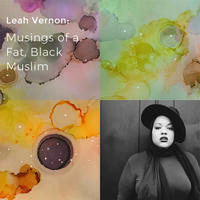
Leah Vernon: Musings Of A Fat, Black Muslim
Leah Vernon is a style blogger, plus-size Muslim model, public speaker, and activist. In her book, Unashamed: Musings of a Fat, Black Muslim, she takes to task the myth of the perfect Muslim woman.
In this episode, poet and social justice activist Rabi'a Keeble talks with Leah Vernon about her love-hate relationship with her hijab and her faith, race, weight, mental illness, domestic violence, sexuality, the millennial world of dating, and the process of finding her voice.
This episode contains explicit language. It was recorded during an event in 2020 in front of a live audience in San Francisco, California.
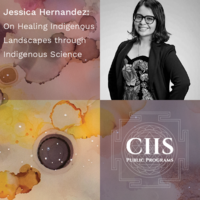
Jessica Hernandez: On Healing Indigenous Landscapes through Indigenous Science
Despite the undeniable fact that Indigenous communities are among the most affected by climate devastation, Indigenous science is very rarely found in mainstream environmental policy or discourse. Environmental scientist, advocate, and author Jessica Hernandez introduces and contextualizes Indigenous environmental knowledge and proposes a vision of land stewardship that heals rather than displaces and generates rather than destroys.
In this episode, Dr. Hernandez is joined by Indigenous scholar and activist Melissa Nelson in a conversation exploring her latest book, Fresh Banana Leaves, and how to stop the eco-colonialism ravaging Indigenous lands to restore our relationship with the Earth to one of harmony and respect.
This episode was recorded during a live online event on February 10th, 2022. A transcript is available below.
You can watch a recording of this episode and many more episodes on the CIIS Public Programs YouTube Channel.
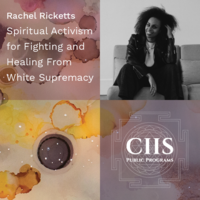
Rachel Ricketts: Spiritual Activism for Fighting and Healing from White Supremacy
In her work, racial justice educator Rachel Ricketts has developed heart-centered and mindfulness-based practices to dismantle white supremacy by addressing anti-racism from a comprehensive, intersectional, and spiritually aligned perspective.
In this episode, A-Ian Holt, director of the Institute for Diversity in the Arts at Stanford joins Rachel for a conversation about her latest book, Do Better, an actionable guidebook and a loving, assertive call to do the deep—and often uncomfortable—inner work that precipitates much-needed external and global change.
This episode was recorded during a live online event on February 18, 2021. A transcript is available below.
You can watch a recording of this episode and many more episodes on the CIIS Public Programs YouTube Channel.
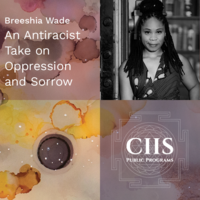
Breeshia Wade: An Antiracist Take on Oppression and Sorrow
Most of us understand grief as sorrow experienced after a loss—the death of a loved one, the end of a relationship, or a change in life circumstance. According to author and Buddhist end-of-life caregiver, Breeshia Wade, grief is bigger than what’s happened to us, larger than a reaction to a one-time event. It is something that is connected to what we fear, what we love, and what we aspire to.
Drawing on stories from her own life as a Black woman and from the people she has midwifed through the end of life, Breeshia connects sorrow not only to specific incidents, but also to the ongoing trauma that is part and parcel of systemic oppression. She broadens the mainstream conception of grief to explore its intersections with race, gender, social justice, and trauma.
In this episode, licensed clinical psychologist Bree McDaniel has a conversation with Breeshia about her life, her work, and her latest book, Grieving While Black: An Antiracist Take on Oppression and Sorrow.
This episode contains explicit language. It was recorded during a live online event on March 18, 2021. A transcript is available below.
You can watch a recording of this episode and many more episodes on the CIIS Public Programs YouTube Channel.
Gopal Dayaneni and Carla Maria Pérez: On Environmental Racism
Racism permeates every aspect of society. Environmental racism is a form of systemic racism in which people of color are disproportionately burdened with health hazards through policies and practices that force them to live in proximity to sources of toxic waste such as sewage works, mines, landfills, power stations, major roads, and emitters of airborne particulate matter.
In this episode, co-founder of Movement Generation: Justice and Ecology Project, Gopal Dayaneni is joined by community organizer and environmental justice advocate Carla Maria Pérez for a powerful conversation exploring the connections between environmental racism and climate change and what we can do as individuals and communities to address and heal from the harms of both.
This episode contains explicit language. It was recorded during a live online event on April, 28, 2021. A transcript is available below.
You can watch a recording of this episode and many more episodes on the CIIS Public Programs YouTube Channel.
Da'Shaun Harrison: On the Politics of Anti-Fatness as Anti-Blackness
Fat Black people in the United States are subject to socio-politically sanctioned discrimination, abuse, condescension, and trauma. In their writing and work, Da’Shaun Harrison—a fat, Black, disabled, trans writer and community organizer—offers an incisive, fresh, and precise exploration of anti-fatness as anti-Blackness.
In this episode, Afro-Caribbean photographer, herbalist, and multidisciplinary artist KaliMa Amilak joins Da’Shaun for a conversation about their latest book, Belly of the Beast: The Politics of Anti-Fatness as Anti-Blackness, their life and work, and how we can all work to dismantle our cultural programming to create real change.
This episode contains explicit language. It was recorded during a live online event on August 19th, 2021. A transcript is available below.
You can watch a recording of this episode and many more episodes on the CIIS Public Programs YouTube Channel.
Apela Colorado: On Indigenous Spirituality and Wisdom
Apela Colorado is a traditional cultural practitioner and Indigenous scientist dedicated to creating a bridge between Western thought and Indigenous worldviews. In her latest book, Woman Between the Worlds, Dr. Colorado invites us to explore how Indigenous wisdom resonates in modern life while lovingly teaching us to honor its power, beauty, and potential.
In this episode, CIIS faculty Susana Bustos joins Dr. Colorado for a conversation about her lifelong journey connecting with the essence of Indigenous spirituality and culture, and reawakening to the wisdom of her Native American and French Gaul ancestors.
This episode was recorded during a live online event on November 4th, 2021. Access the transcript below.
28 Days of Blackness: Origin Stories
Learn the origins of CIIS' 28 Days of Blackness event

Larry Ward: Healing America’s Racial Karma
Shot at by police as an 11-year-old child for playing baseball in the wrong spot, as an adult Larry Ward continued to experience racialized trauma when his home was firebombed by racists. At Plum Village Monastery in France, he found a way to heal with his teacher, Vietnamese peace activist and Zen teacher Thich Nhat Hanh.
Now a Zen Buddhist teacher and author, Dr. Ward's work examines the causes and conditions that have led us to our current state, and he finds—hidden in the crisis—a profound opportunity to reinvent what it means to be a human being. This is an invitation to transform America’s racial karma.
In this episode, Women's Spirituality Professor Alka Arora talks with Dr. Ward as he shares what he has learned through his own life and work, and invites us to transform our society and heal our racial karma.
This episode was recorded during a live online event on October 6, 2020. A transcript is available below.
You can watch a recording of this episode and many more episodes on the CIIS Public Programs YouTube Channel.
N. Scott Momaday: On Keeping the Earth
One of the most distinguished voices in American literature, Pulitzer Prize-winning novelist and poet N. Scott Momaday has devoted much of his life to celebrating and preserving Native American culture, especially its oral tradition.
A member of the Kiowa tribe who was born and grew up on Indian reservations throughout the Southwest, Dr. Momaday has a deep attachment to the land he knows well and loves deeply. In his latest book, Earth Keeper: Reflections on an American Land, Dr. Momaday reflects on his native ground and its influence on his people and the person that he is.
In this episode, Indigenous scholar and activist Melissa Nelson talks with Dr. Momaday about his life, his work, and the importance of remembering that the Earth is a sacred place of wonder and beauty; a source of strength and healing that must be protected before it’s too late. Dr. Momaday reminds us that we must all be keepers of the Earth.
This episode was recorded during a live online event on November 12, 2020. A transcript is available below.
You can watch a recording of this episode and many more episodes on the CIIS Public Programs YouTube Channel.
Fariha Róisín: Who Is Wellness For?
Fariha Róisín is a multidisciplinary artist and author who was born in Ontario, Canada and raised in Sydney, Australia. She is now based in Los Angeles, CA. As a Muslim queer Bangladeshi, she is interested in the margins, liminality, otherness, and the mercurial nature of being. Fariha’s latest book Who Is Wellness For? explores the ways in which the progressive health industry has appropriated and commodified global healing traditions. She reveals how wellness culture has become a luxury good built on the wisdom of Black, brown, and Indigenous people while both ignoring and excluding them.
In this episode, Fariha is joined by CIIS Associate Professor of Anthropology and Social Change Targol Mesbah in an engaging conversation that explores the commodification and appropriation of wellness through the lens of social justice and provides resources to help anyone participate in self-care regardless of race, identity, socioeconomic status, or able-bodiedness.
This episode was recorded during a live online event on July 13th, 2022. A transcript is available below.
You can watch a recording of this episode and many more episodes on the CIIS Public Programs YouTube Channel.
Four Arrows and Darcia Narvaez: On Indigenous Voices and Restoring the Kinship Worldview
Author and Professor of Education, Wahinkpe Topa (Four Arrows), and author and Professor Emerita of Psychology Darcia Narvaez have both written and lectured extensively on the need to integrate Indigenous worldviews into every aspect of society—from education to sustainability, wellness, and justice.
In this episode, Four Arrows and Darcia offer a conversational exploration of their most recent collaboration as editors of the anthology, Restoring the Kinship Worldview, which presents the wisdom of Indigenous worldviews and how embracing these precepts can nourish our individual and collective lives in these challenging times through 28 powerful excerpted passages from Indigenous leaders including Mourning Dove, Robin Wall Kimmerer, Winona LaDuke, and Xiuhtezcatl Martinez.
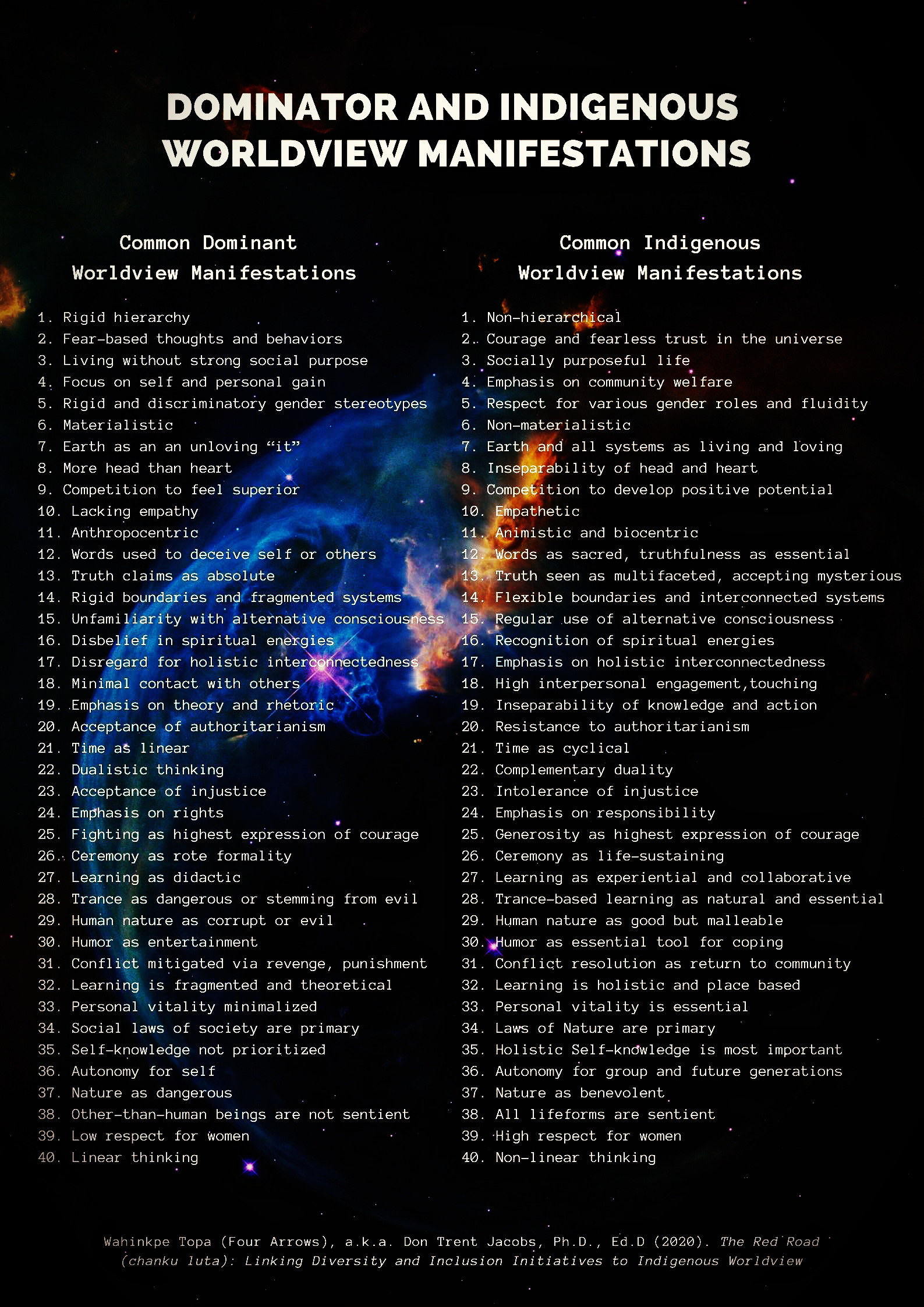
You are also encouraged to consider the Worldview Chart, created by Four Arrows.
This episode was recorded during a live online event on April 20th, 2022. Access the transcript below.
You can watch a recording of this episode and many more episodes on the CIIS Public Programs YouTube Channel.
Mikki Kendall: On Hood Feminism
Mainstream feminists rarely talk about meeting basic needs as a feminist issue, but food insecurity, access to quality education, safe neighborhoods, a living wage, and medical care are all feminist issues. All too often, however, the focus is not on basic survival for the many, but on increasing privilege for the few.
In Mikki Kendall's latest book, Hood Feminism, she takes aim at the legitimacy of the modern feminist movement, arguing that it has chronically failed to address the needs of all but a few women. Drawing on her own experiences with hunger, violence, and hyper-sexualization, she delivers an irrefutable indictment of a movement in flux and issues a ferocious clarion call to all would-be feminists.
In this episode, psychologist and CIIS Professor Danielle Drake talks with Mikki about writing Hood Feminism, her life, and the lessons she has learned.
This episode was recorded during a live online event on September 23, 2020. You can watch a recording of this episode and many more episodes on the CIIS Public Programs YouTube Channel.
Sherri Mitchell: Indigenous Wisdom For Healing Trauma
Sherri Mitchell (Weh’na Ha’mu Kwasset) is a Native American attorney, teacher, and award-winning activist who grew up on the Penobscot Indian Reservation (Indian Island), Maine, and is the author of Sacred Instructions: Indigenous Wisdom for Living Spirit-Based Change.
In this episode, she is joined in a conversation with healer and movement builder Brenda Salgado. Together they explore Native American mythology and cosmology as a means of healing our collective wounds.
This episode was recorded during a live online event on August 1, 2020. You can watch a recording of this episode and many more episodes on the CIIS Public Programs YouTube Channel.
Calvin Baker: Race, Integration, and the Future of America
Fifty years after meaningful efforts toward civil rights, the United States remains overwhelmingly unjust. Our current solutions to make the world more equitable and just—from desegregation to diversity and representation—are not enough.
In this episode, somatic psychologist Sherri Taylor talks with author Calvin Baker about his book A More Perfect Reunion, in which he presents a profound, masterful reading of US history from the colonial era forward, along with a trenchant critique of the obstacles in our current political and cultural moment. It is also a timely call to action.
Calvin and Sherri's conversation reminds us that we live in a revolutionary democracy and that we are at a crucial moment to finish the revolution.
This episode was recorded during a live online event on July 23, 2020. You can watch a recording of this episode and many more episodes on the CIIS Public Programs YouTube Channel.
Kevin Powell: On America Today
Activist and writer Kevin Powell has emerged as one of the most acclaimed voices in America today, tackling some of the biggest issues of our time through his writing and speaking.
In this conversation with Kathy Littles, Kevin shares his thoughts shortly after the publication of his most recent book, My Mother. Barack Obama. Donald Trump. And the Last Stand of the Angry White Man.
This episode was recorded during an event on October 15, 2018 in front of a live audience in San Francisco, California.
Nishta J. Mehra: The Life of an Intersectional American Family
Author Nishta J. Mehra is the daughter of Indian American immigrants, the wife of a white woman from Texas, and the mother of an adopted black child. Her life is a series of intersecting boundaries—of race, gender, sexuality, and religion—and her essays have examined the ways she navigates the various communities and ideologies that make up her family's life.
In this episode, Nishta is joined by integral psychology professor and therapist Daniela Koenig for a conversation about family and motherhood, race, and raising a black child in America today.
This episode was recorded during an event on November 28, 2019 in front of a live audience in San Francisco, California.
don Jose Ruiz: On Shamanic Dreaming
Join Native American psychologist Leslie Gray for this conversation with don Jose Ruiz about his life and work traveling the world to share the teachings of his ancestors.
This episode was recorded during an event on August 8, 2019 in front of a live audience in San Francisco, California.
DaMaris B. Hill: On The Incarceration Of African American Women
In this episode, diversity and inclusion specialist Denise Boston has a conversation with author and academic DaMaris B. Hill that spans poetry, history, and current events to illuminate the lives of extraordinary women, and examines the impact they have had on our society today.
This episode was recorded during an event on July 25, 2019 in front of a live audience in San Francisco, California.
Damon Young: What Doesn’t Kill You Makes You Blacker
Author Damon Young is joined in conversation by artist A-lan Holt from Stanford's Institute for Diversity in the Arts to discuss the ever-shifting definitions of what it means to be black in America.
This episode was recorded during an event on April 15, 2019 in front of a live audience in San Francisco, California.
Cornel West: The Burden Carried by African American Men
Dr. Cornel West is one of America's most provocative public intellectuals and the world-renowned author of Race Matters. His writings weave together the traditions of the Black Baptist Church, social justice, progressive politics, and jazz.
In this episode, Dr. Cornel West is in conversation with former CIIS Dean of Diversity and Inclusion Denise Boston about the burdens black men carry in society.
This episode was recorded during an event on April 10, 2015 in front of a live audience in San Francisco, California.
Sobonfu Somé: Grieving and Ritual
In this episode, author and activist Sobonfu Somé explores the importance of grieving and ritual in Burkina Faso, West Africa and how that tradition can be applied to our lives today. Her work has helped move African spiritual practices from the realm of anthropology to a place alongside the world's greatest spiritual traditions.
This episode was recorded during an event on February 26, 2016 in front of a live audience in San Francisco, California.
Kathy Littles: Museums As Contested Spaces
Kathy Littles, former Dean of the School of Consciousness and Transformation at CIIS, explores how western museums have historically held power and authority in matters of race.
This episode was recorded during an event on June 21, 2018 in front of a live audience in San Francisco, California.
Eduardo Duran: Healing the Soul Wound
Psychologist and author Eduardo Duran is joined in conversation by CIIS student Natalie Bell to discuss the legacy of historical trauma for Native American populations.
This episode was recorded during an event on November 4, 2016 in front of a live audience in San Francisco, California.
Ijeoma Oluo: So You Want To Talk About Race
In this episode, author Ijeoma Oluo was joined by former CIIS Dean of Diversity and Inclusion Denise Boston in a conversation exploring Ijeoma’s book, So You Want To Talk About Race, and examining the racial landscape in America.
This episode was recorded during an event on January 31, 2018 in front of a live audience in San Francisco, California.
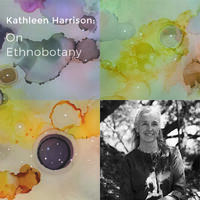
Kathleen Harrison: On Ethnobotany
Ethnobotanist Kathleen Harrison is joined in conversation by Natalie Metz to explore entheogens and the rich and complex relationship between plants, mushrooms, and human beings.
This episode was recorded during a live online event on May 23, 2018.
You can watch a recording of this episode and many more episodes on the CIIS Public Programs YouTube Channel.